


Table of Contents
How to Clean Up After Fire Damage
When the smoke clears, you’re left wondering what to do next. This guide will walk you through the first step of fire response, how to clean up after a fire, and when to call professionals for help.
Usually, the first thing people do after fire damage is start cleaning, but how exactly is that done? Cleaning up after a fire isn’t as simple as wiping away soot. It involves clearing out debris, removing smoke-stained items, drying out any water left from firefighting, and properly ventilating the home to eliminate lingering smoke odors. Safety is key, so wearing protective gear and using the right cleaning materials is crucial. And for severe cases, calling in fire restoration experts is often the safest and most effective path forward.
Ventilate the space
Smoke doesn’t go away on its own. It can stay in fabrics, walls, and air ducts for weeks. The first step of fire response should always be checking the air for safety.
Ventilate the space by opening windows. Use box fans and HEPA air purifiers. Don’t use your HVAC system as it can spread smoke to clean areas. To remove the smell, wash clothes, curtains, and rugs. Wipe surfaces with baking soda or vinegar. But if the odor sticks, you may need expert help.
Collect debris and salvageable items
Debris can be sharp, unstable, or toxic. Only remove debris if you’re sure the area is safe. Wear gloves, a mask, and sturdy shoes.
Some items can be saved. These include metal objects, sealed dishes, and solid furniture. Items soaked in water or melted by heat should be tossed. If you’re unsure, take photos for your insurance. Cleaning your things is part of the bigger job of cleaning up after a fire properly.

Wipe the soot off
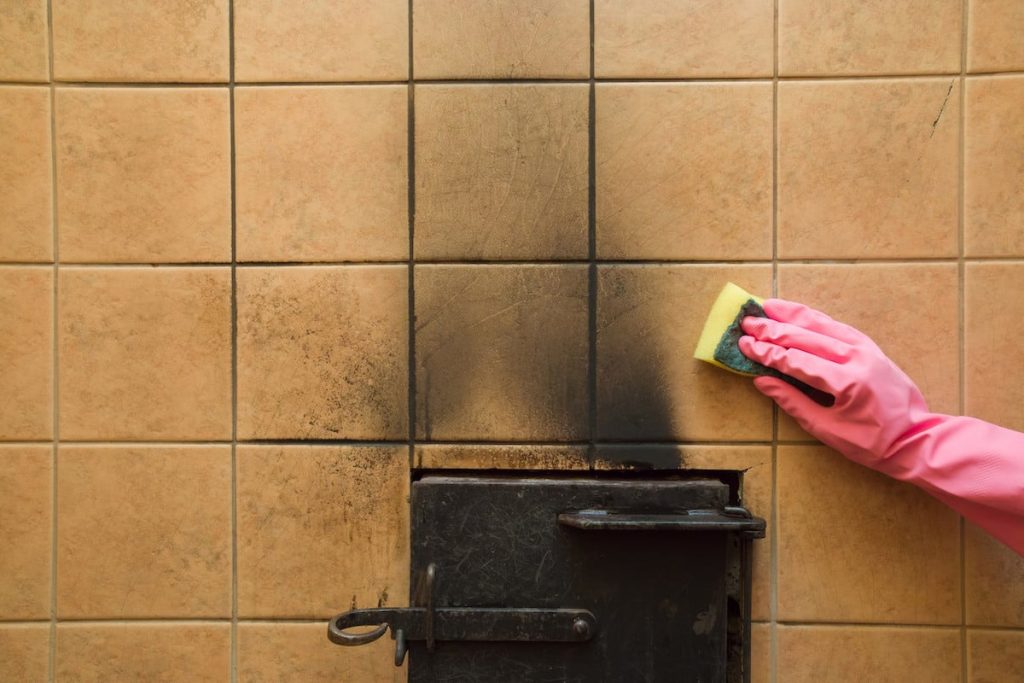
Soot is black powder from burned items. It’s sticky, acidic, and harmful to breathe. There are three types of soot.
- Dry soot (from paper or wood)
- Oily soot (from plastic)
- Protein soot (from cooking fires)
Each needs a different approach. Use a HEPA vacuum for dry soot. For oily soot, use a degreaser. Protein soot needs odor treatment. Always wear protective gear and never scrub soot with water. It can smear and worsen stains.
When in doubt, call a pro. How to clean up soot after fire damage is best learned through experience and safe tools.
Water Damage from Fire Fighting
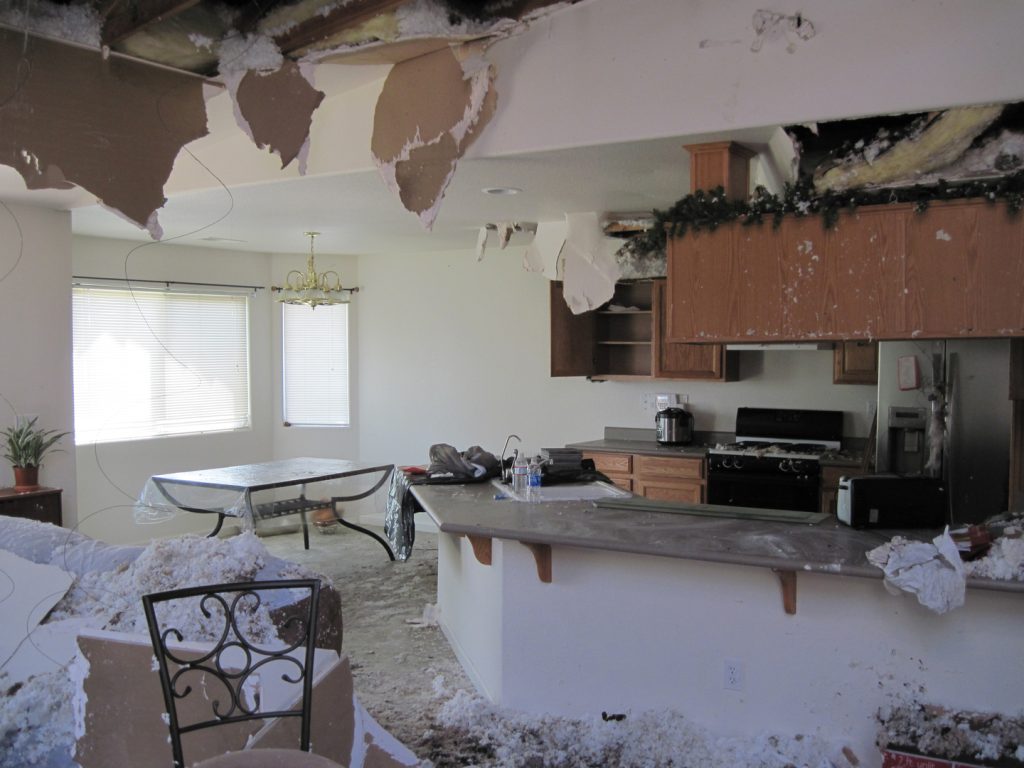
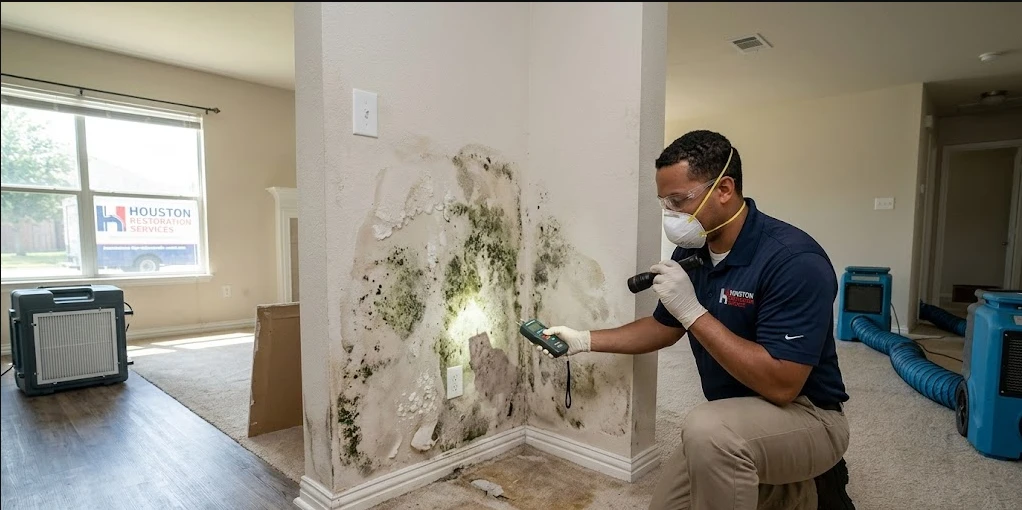
When firefighters save your home, they also soak it. Water damage can lead to mold, stains, and warped floors. Use fans and dehumidifiers to dry your home quickly. Remove wet rugs and open cabinets to let air flow.
Be on alert for mold. It can grow within 48 hours. The first step of fire response should include moisture checks. This part of the clean-up after a fire is often missed, but it matters just as much as soot and smoke.
Hire Professional Help
Sometimes, knowing how to clean up after fire damage means knowing when not to do it alone.
Fires affect wiring, plumbing, and support beams. It’s risky to fix things without training. That’s where Precision Restoration comes in. We’re Houston’s trusted fire damage restoration company with 30+ years of experience.
We handle everything: debris cleanup, odor removal, structure repair, and insurance paperwork. We make clean-up after a fire easier, safer, and faster for families across Houston.
Preparation for Fire Damage Restoration
Once your home is safe, the next phase begins: restoration. During fire damage restoration, your restoration company may help restore and repair your home’s structure and some of your belongings, depending on the extent of fire damage.
Let’s take a close look.
Structural Restoration
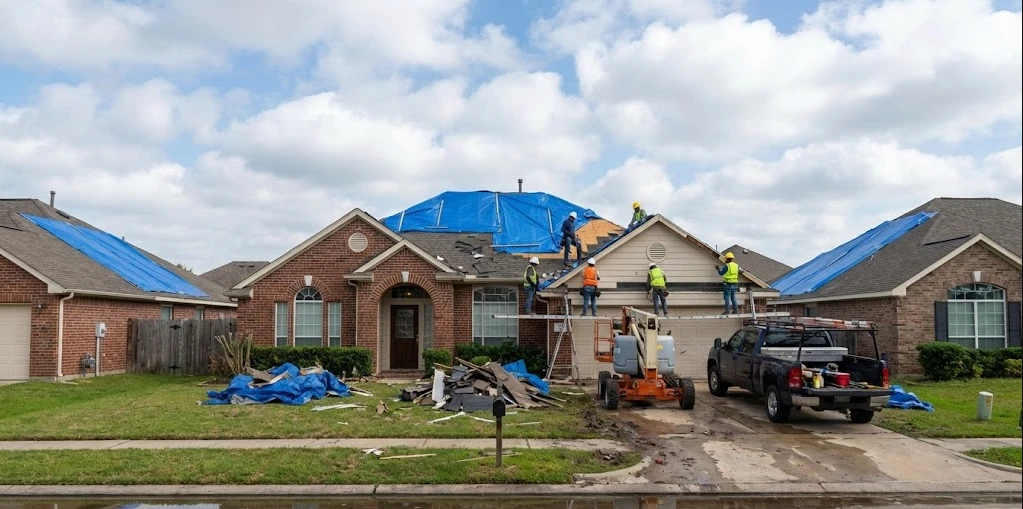
Fires weaken everything, including beams, drywall, and even cement. Structural restoration is about making your home solid again. That may include rebuilding walls, replacing roofs, or fixing the foundation.
It’s one of the most important steps after the first step of fire response is done. Without structure, you can’t move forward.
- Repair
Sometimes, a small fire only needs a few repairs. This could include patching drywall, painting walls, or fixing a broken cabinet. These jobs help you get back to normal fast. But if the fire spreads far, simple repairs won’t cut it. That’s when demolition may be needed.
- Demolition
If the fire damaged load-bearing walls, soaked floors, or key supports, demolition may be the safest option. Demolition removes materials that can’t be cleaned or reused. This clears the way for safe rebuilding.
- Reconstruction
Once your home is cleared, it’s time to rebuild. Reconstruction may mean rebuilding entire rooms or sections of your home. It’s a long process, but the results are worth it.
In many cases, it’s a chance to update your home with better materials. In Houston, this can also mean choosing more fire-resistant and water-resistant options.
Content Restoration
Content restoration means saving what can be saved, like photos, clothes, furniture, and electronics. Soft goods like bedding and clothes may be washed. Electronics may be dried and repaired. Precious items may be restored by specialists.
Get Your Life Back on Track
At Precision Restoration, we know what it takes to recover from fire damage to your house. We’ve helped hundreds of Houston families through the toughest moments and brought their homes back to life.
We do everything: assess the damage, remove hazards, manage insurance, and rebuild stronger. We’re licensed, IICRC-certified, and trusted by the Houston community. Our team responds fast, works with care, and puts your safety first.
Don’t wait to take action. Call Precision Restoration at (346) 209-2992 or fill out our form for a free consultation. Let’s handle the cleanup after a fire, so you can focus on healing and moving forward.
FAQs
What should I do in the first 24 hours after the fire?
Start by making sure everyone is safe and accounted for. If needed, call emergency services again to double-check for hazards.
Next, contact your insurance company to report the fire and begin your claim. Then, call a certified fire damage restoration company like Precision Restoration.
We offer 24/7 emergency response across Houston and can be on-site within 90 minutes. We’ll secure your home, assess the damage, and walk you through the next steps.
Avoid throwing anything away until we’ve documented it for insurance. And if you need a safe place to stay, we can work with your insurer to arrange temporary housing.
Is there anything I should avoid doing before professionals arrive?
Don’t turn on lights, electrical appliances, or HVAC systems, especially if wiring may be damaged. Don’t try to clean smoke, soot, or water-damaged areas yourself. It can spread contamination or make stains worse. And don’t enter any part of your home that looks unsafe, smells strongly of smoke, or has visible structural damage.
Related Blogs

Contact Us
Thank You For Choosing Precision Restoration, we’re ready to answer your questions. Please fill out the form below to connect with a local team member or call now to get help immediately.
