

Table of Contents
So...What to do after a house fire?
Experiencing a house fire is devastating, but dealing with what is left after a fire is even harder as reality sets in. As confusion, disbelief, hopelessness, and even relief take hold, it can be overwhelming to know where to begin rebuilding. Precision Restoration understands this challenge, so we’ve created a simple checklist to guide you through the steps to take after a house fire.
Contact Your Loved Ones
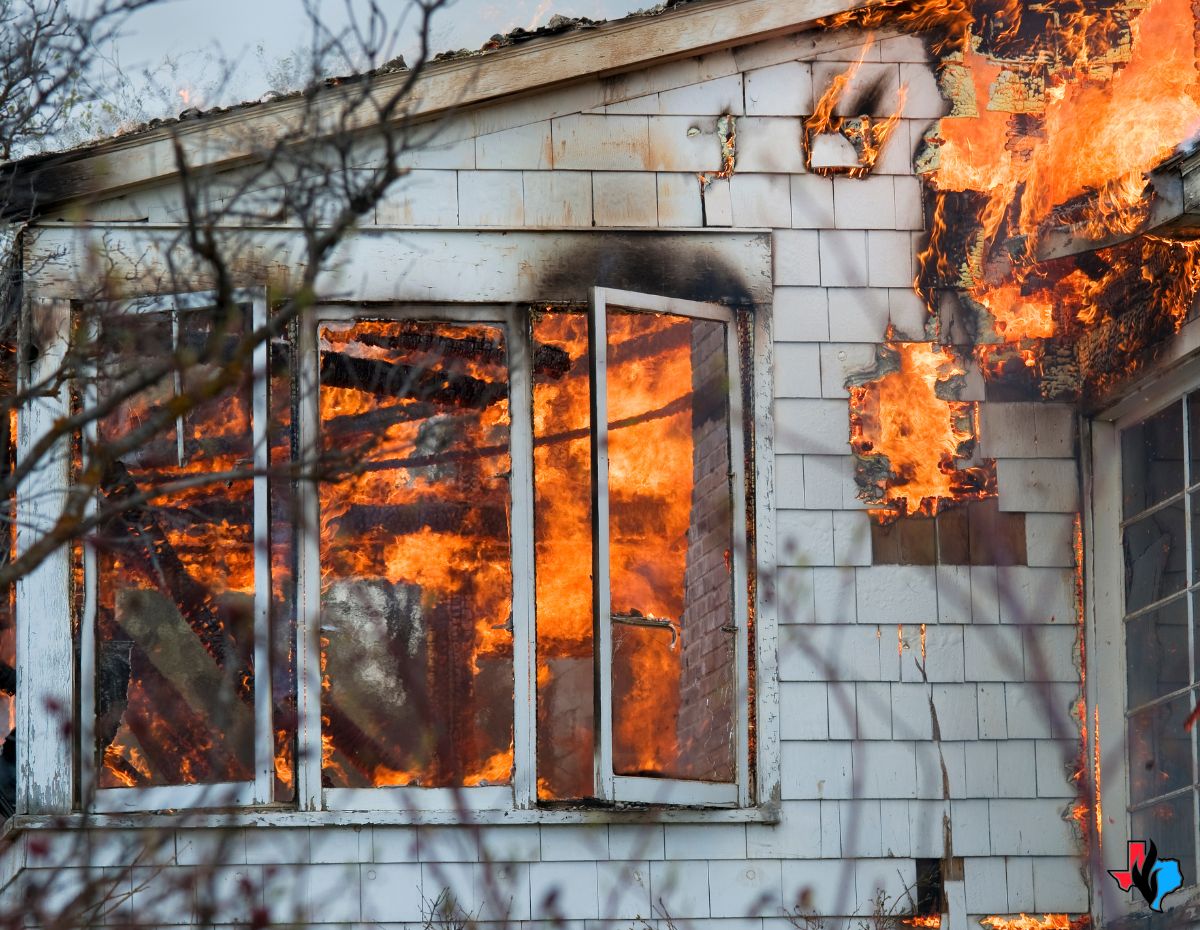
House fires are traumatic, but staying calm is crucial. With how hot house fires get, ensuring everyone’s safety is the top priority. The heat from house fires can easily reach up to 1100 degrees Fahrenheit in just a few minutes. If you’re alone, check yourself for injuries like burns or smoke inhalation. If others are present, do a head count and check for injuries, including pets. No matter how you feel, even if you don’t notice any symptoms, call 911 and a vet to ensure proper care for both you and your pets.
Once you’re safe, inform loved ones about your condition. They can provide support and help you find temporary shelter as you recover.
Contact Your Insurance
Call your insurance as soon as possible. Your policy may cover living expenses, like a hotel stay or short-term rental, as well as cleaning and restoring personal items.
If not, your agent can recommend fire restoration companies like Precision Restoration that specialize in fire-damaged homes. If you’re renting, notify your landlord immediately so they can address the damage.

Assess the damage
As you file your insurance claim, document everything thoroughly. Take pictures of the damage, but only after the fire department confirms it’s safe to enter.
A fire-damaged property can be unstable, so proceed with caution. Additionally, request a copy of the fire report from your local fire department. This report may provide important details for your insurance claim.
Notify other parties
Besides notifying your family, friends, insurance agent, and landlord, you may need to inform other parties as well:
- Utility companies (power, water, internet, gas, etc.) – They can disconnect services to prevent further damage in your building after the fire and assist with restoration.
- Mortgage company – You may still need to make payments after the fire.
- Employer – They may offer time off, financial help, or flexible work arrangements.
- School – If you or a family member is in school, they may provide support or adjust schedules.
- Post office – Request to hold or forward your mail.
Secure the property
It’s your responsibility to protect the property and any remaining belongings from further damage due to weather, theft, or vandalism but nothing to worry about, the fire department can assist with this.
To deter intruders, you will need to secure your doors, windows, and any openings. Consider installing a fence and surveillance cameras around your fire-damaged property. Before leaving, remove all valuable items to keep them safe.
Evaluation of Damaged and Salvageable Items
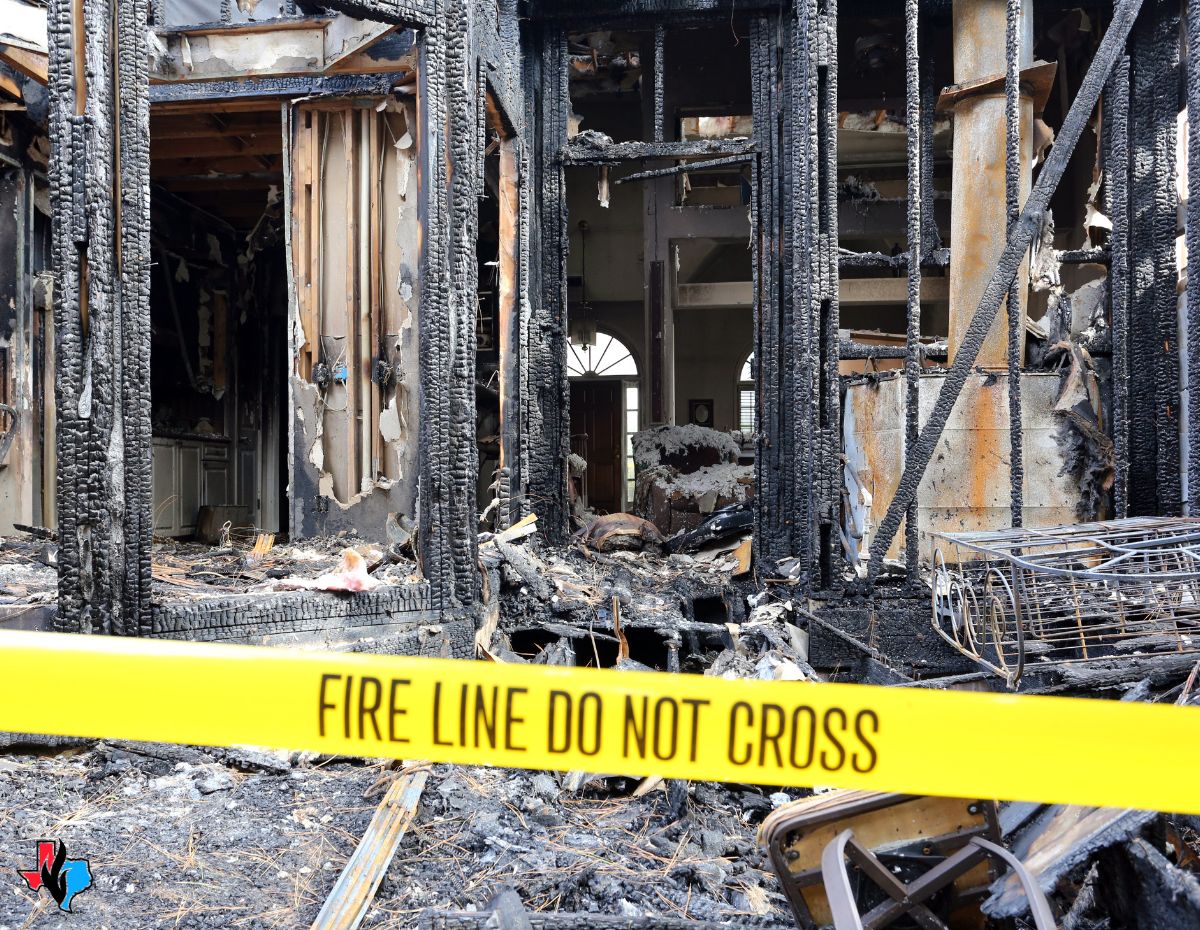
If your house catches fire, the extent of the damage will depend on the fire’s size. Fire, heat, smoke, and soot can weaken your home’s structure and belongings. Water from firefighting can also cause issues like mold, weakened drywall, and damaged electronics. Below are a number of things that usually won’t be salvageable after a fire:
Structural & Building Materials
- Severely burned framing and support beams – Weakens the integrity of the structure.
- Melted or charred drywall – Usually needs full replacement.
- Compromised insulation – Retains smoke, soot, and moisture, making it unsalvageable.
- Damaged electrical wiring – Even if it looks intact, fire damage can compromise safety.
- Burned roofing materials – Fire weakens the structure and leaves it vulnerable to collapse.
Personal Belongings & Furniture
- Mattresses and upholstery – Absorbs smoke and toxins, making cleaning impossible.
- Severely charred wooden furniture – If burned deep, it cannot be restored.
- Burned or melted electronics – Internal components are often beyond repair.
- Books and paper documents – If fire or water damaged, recovery is unlikely.
- Melted plastic items – Releases toxic fumes and is structurally ruined.
Appliances & Plumbing
- Plastic piping and fixtures – Can melt and release hazardous chemicals.
- Gas appliances (if exposed to extreme heat) – Potential safety hazard.
- HVAC systems contaminated with soot – Can spread toxic particles.
Clothing & Personal Items
- Burned or heavily soot-covered clothing – Hard to remove toxins and odors.
- Cosmetics and toiletries – Heat exposure alters chemical composition.
- Medications and food – Even if not visibly damaged, heat can make them unsafe.
- Birth certificate
- Marriage/Divorce Certificates
- Green Card (Permanent Resident Card)
- Driver’s license/government-issued IDs
- Passport
- Social Security Cards
- Military Service Records
- Deeds/Titles to Property
- Wills
Important Documents
You Need to
Protect:
- Insurance Policies
- Bank Books/Statements
- Stocks and Bonds
- Credit Cards
- Tax Records
- Medical Records
Restoring Your Home After Fire Damage
Nothing is more devastating than seeing something you worked hard for get destroyed, especially when nothing else can be salvaged. If your home has suffered fire damage, our expert team will coordinate with the fire department and utility providers to ensure the site is safe.
We’ll handle fire debris removal, eliminate soot and smoke odors, and begin the fire damage restoration process. Here at Precision Restoration, we offer immediate assistance, allowing you to focus on recovery while we restore your home.
Related Blogs
FAQs
What to do after a house fire with no insurance?
Contact your mortgage company, as you’ll likely still need to make payments after the fire. You may be able to negotiate flexible terms, such as temporary payment suspension or reduction, to free up funds for repairs. Rebuilding loans are also an option.
For additional support, you can seek housing assistance from FEMA and aid from charities like The Salvation Army for food and clothing or the American Red Cross for medical assistance.
Will insurance cover a house fire started by a cigarette?
Most insurance policies cover the damages caused by smoking materials as long as it is not proven as intentional.

Contact Us
Thank You For Choosing Precision Restoration, we’re ready to answer your questions. Please fill out the form below to connect with a local team member or call now to get help immediately.
