

Table of Contents
smoke damage and fire damage
Fires are devastating, but their aftermath can be just as challenging. It leaves behind smoke, which can be just as harmful. Smoke damage and fire damage are two distinct problems that require different solutions. Understanding their differences can help Houston homeowners take the right steps to restore their homes and protect their health.
What is smoke damage?
Smoke damage happens when the smoke from a fire sticks to surfaces in your home. It can leave stains, smells, and toxic particles in walls, furniture, and air vents. Even if your house doesn’t burn, smoke can still cause a lot of harm.
Unlike fire damage, smoke doesn’t always look serious at first. But it can go deep into walls and soft materials like carpets. The longer it sits, the harder it is to remove.
Even if the fire didn’t touch certain areas, smoke can spread through vents and open spaces.
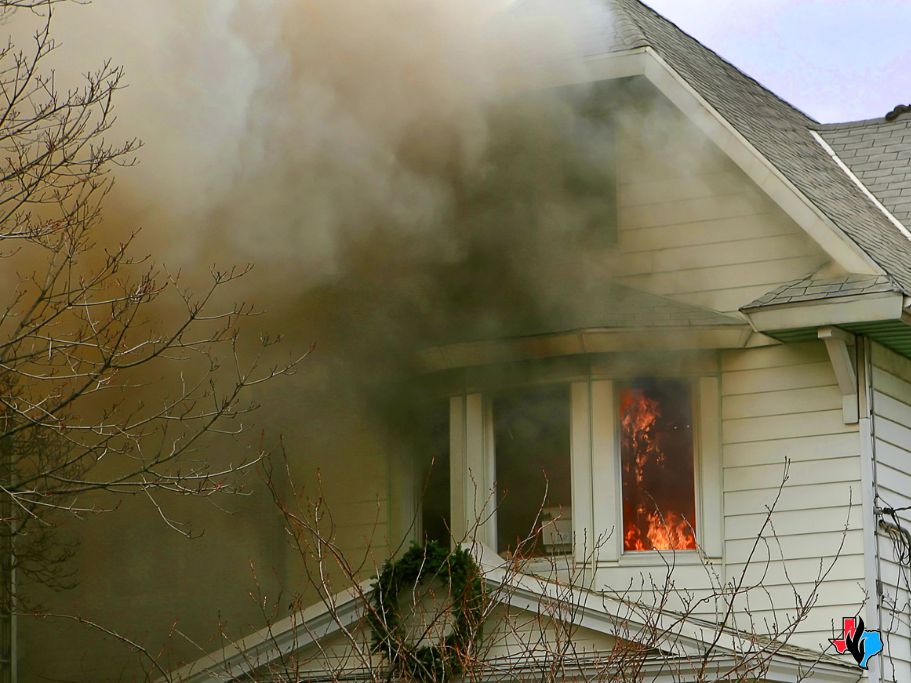
Common types of smoke damage in Houston
There are several types of smoke damage, each with unique challenges:
- Wet Smoke Damage: Caused by low-heat, smoldering fires, it leaves sticky residues that are hard to clean and have a strong odor.
- Dry Smoke Damage: Resulting from fast-burning fires, it produces fine soot that can settle deep into cracks and porous materials.
- Protein Smoke Damage: Common in kitchen fires, it creates an invisible residue with a strong smell.
- Oil-Based Smoke Damage: Occurs when oil-based materials burn, leaving greasy residues that are difficult to remove.

Effects of smoke damage to your home and health
Smoke can stain walls, damage electronics, and ruin fabrics and furniture. It can also get into air ducts and keep spreading even after the fire is out.
The US Environmental Protection Agency warns that smoke contains harmful particles. These can cause coughing, shortness of breath, or worse health issues if not cleaned properly.
Children, older adults, and people with asthma are at greater risk. In Texas, where around 1,854,306 residents have asthma, smoke damage can be especially dangerous.
Signs you need a smoke damage restoration in Houston
Smoke damage isn’t always visible immediately. Look for these signs:
- Persistent smoky odors even after cleaning.
- Discolored walls or ceilings.
- Soot buildup on surfaces or inside vents.
In Houston’s humid climate, smoke particles can mix with moisture and worsen over time. If you notice these signs, call a professional restoration service quickly to prevent further damage.
What is fire damage?
Fire damage happens when flames actually burn or melt parts of your home. It can destroy walls, ceilings, furniture, wiring, and even your home’s structure.
This kind of damage is easy to see. You may notice charring, ash, holes, or parts of the house collapsing.
But fire damage can also make your home unsafe to live in. Weak floors, exposed wires, and harmful gases can put your family in danger.
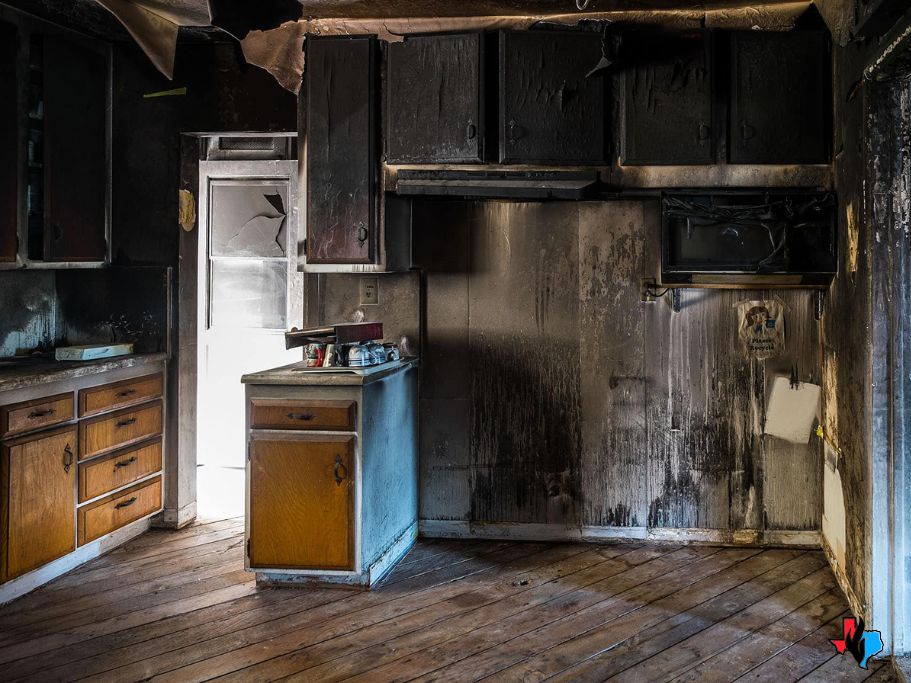
Common types of fire damage in Houston
There are two main types of fire damage: direct and indirect. Direct fire damage is when flames touch and destroy items or surfaces. Indirect fire damage happens when heat or smoke damages things not touched by fire.
A small kitchen fire may burn cabinets directly but melt plastic across the room. Even rooms not on fire can suffer from heat and smoke exposure.
Fire damage varies depending on the intensity of the fire:
- Structural Damage: Flames destroy building materials like wood, drywall, and insulation.
- Secondary Water Damage: Water used to extinguish the fire often causes additional harm to floors, walls, and furniture.
- Heat Damage: High temperatures warp or melt metal objects and glass windows.
Effects of fire damage to your home and health
Fire can cause serious harm to your house and personal belongings. It weakens the structure and makes rooms unsafe to enter.
It also affects your health. Breathing in hot air and fire fumes can hurt your lungs and cause lasting damage.
According to the National Fire Protection Association (NFPA), over 12,000 people are injured by house fires each year in the U.S. Many of those injuries come from smoke inhalation and heat exposure.
Signs you need a fire damage restoration in Houston
Fire damage is usually more obvious but still requires prompt attention. Warning signs include:
- Burned or charred walls and furniture.
- Cracks in ceilings or floors due to heat exposure.
- Warped windows or melted fixtures.
Houston’s dry spring conditions increase the risk of fires spreading rapidly. Acting fast can save your home from additional harm caused by delayed repairs.
The Fire Damage Process
Inspection & Assessment
- Inspect all areas affected by fire and smoke
- Identify structural risks like damaged walls or floors
- Create a detailed plan for full restoration
Clean-Up & Removal
- Remove burnt materials and debris
- Clean soot and ash from surfaces
- Dry areas soaked by firefighting water
- Eliminate smoke odors and hazardous substances
Repair & Rebuild
- Repair walls, ceilings, and structural elements
- Repaint and restore damaged rooms
- Ensure the home or business is safe and livable again
24/7 Fire & Smoke Damage Response in Houston
If your home in Houston has suffered fire or smoke damage, don’t wait to get help. Precision Restoration is available 24/7, every day of the week, even Sundays, to respond quickly and restore your property safely. Whether it’s the middle of the night or during a holiday, their team is ready to help you recover and rebuild from fire damage with care and expertise.
FAQs
Are smoke and fire alarms the same?
No, smoke alarms and fire alarms are not the same. A smoke alarm detects smoke particles and emits a loud warning sound to alert occupants. It is commonly used in homes for basic fire detection.
A fire alarm, on the other hand, is a comprehensive safety system that integrates smoke detectors, heat sensors, and often connects to emergency services for immediate response. Fire alarms are typically installed in larger buildings like schools or hospitals and offer more robust protection.
Related Blogs

Contact Us
Thank You For Choosing Precision Restoration, we’re ready to answer your questions. Please fill out the form below to connect with a local team member or call now to get help immediately.
