


Table of Contents
The Effect of Smoke Damage
Fire is the most immediate danger during a house fire, but it’s not the only risk. Smoke not only causes further damage to your property and belongings, but it also poses lingering health risks even after the fire is out. Ensure your safety and protection from its aftermath. Read this guide to learn how Precision Restoration handles smoke damage effectively.
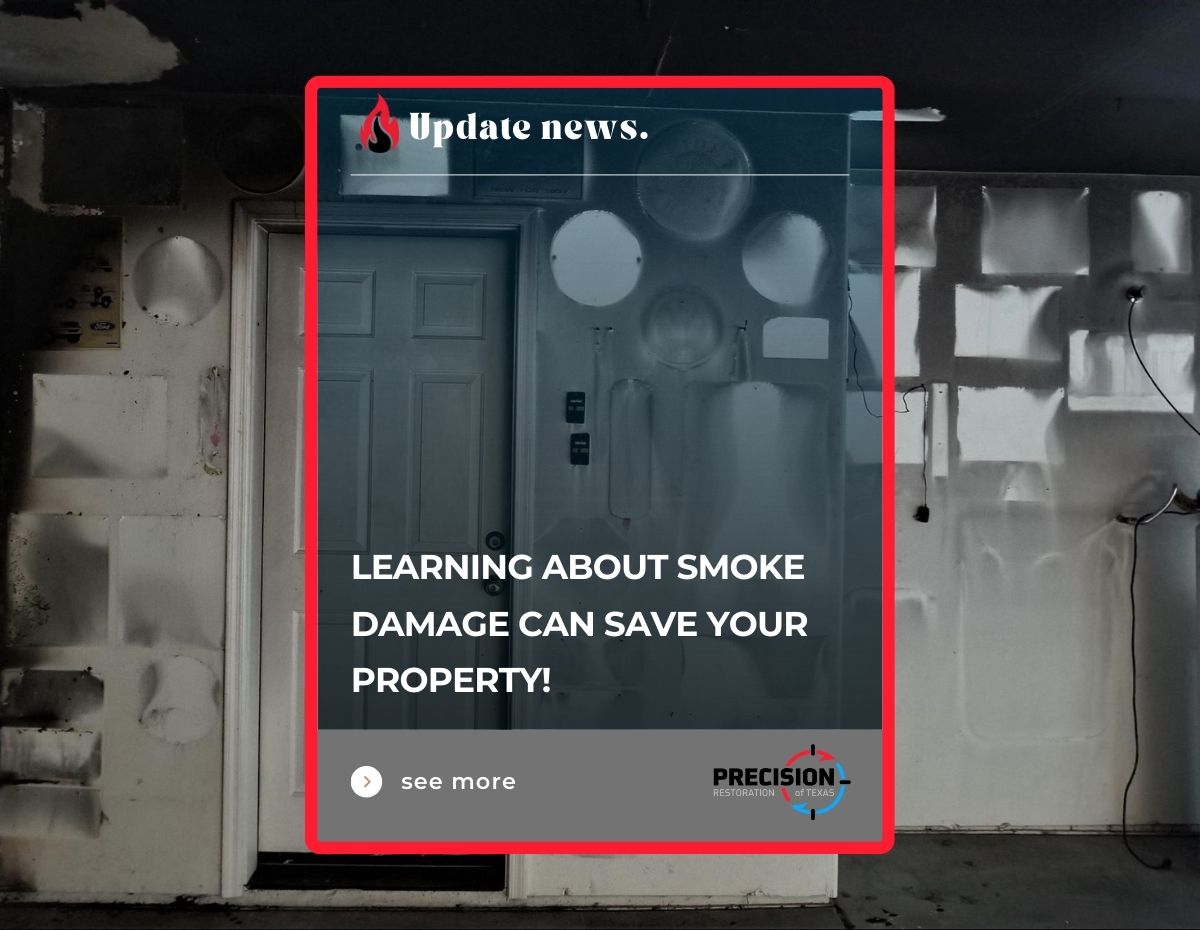
Types of Smoke In A House Fire
Where there’s fire, there’s smoke; but not all smoke is the same. Smoke composition depends on what’s burning. Each type has a distinct smell and compositions that affect its impact on our health. Because of this, it’s important to identify the type of smoke you’re dealing with to understand the risks and take proper precautions. Here are common type of smoke we usually encounter in Houston, TX.
Dry Smoke
Dry smoke results from high-temperature fires fueled by paper, cotton, and wood, spreading quickly. It appears gray or black and leaves behind a powdery residue. This is one of the most common types of smoke and can occur in almost any fire or heat-related event.
Compared to other types, dry smoke is easier to clean, but it can still leave behind lingering odor of smoke on affected surfaces and belongings.
Wet Smoke
Wet smoke is produced by slow-burning materials like plastics and rubber. Unlike dry smoke, which comes from fast, high-temperature fires, wet smoke results from low-heat, smoldering fires. It has a thick, black appearance, a strong, pungent odor, and leaves behind a sticky, dense residue.
Cleaning wet smoke is much more challenging than dry smoke. Without the right materials, you may end up smearing the residue instead of removing it. Additionally, the strong odor is difficult to eliminate.
Protein Smoke
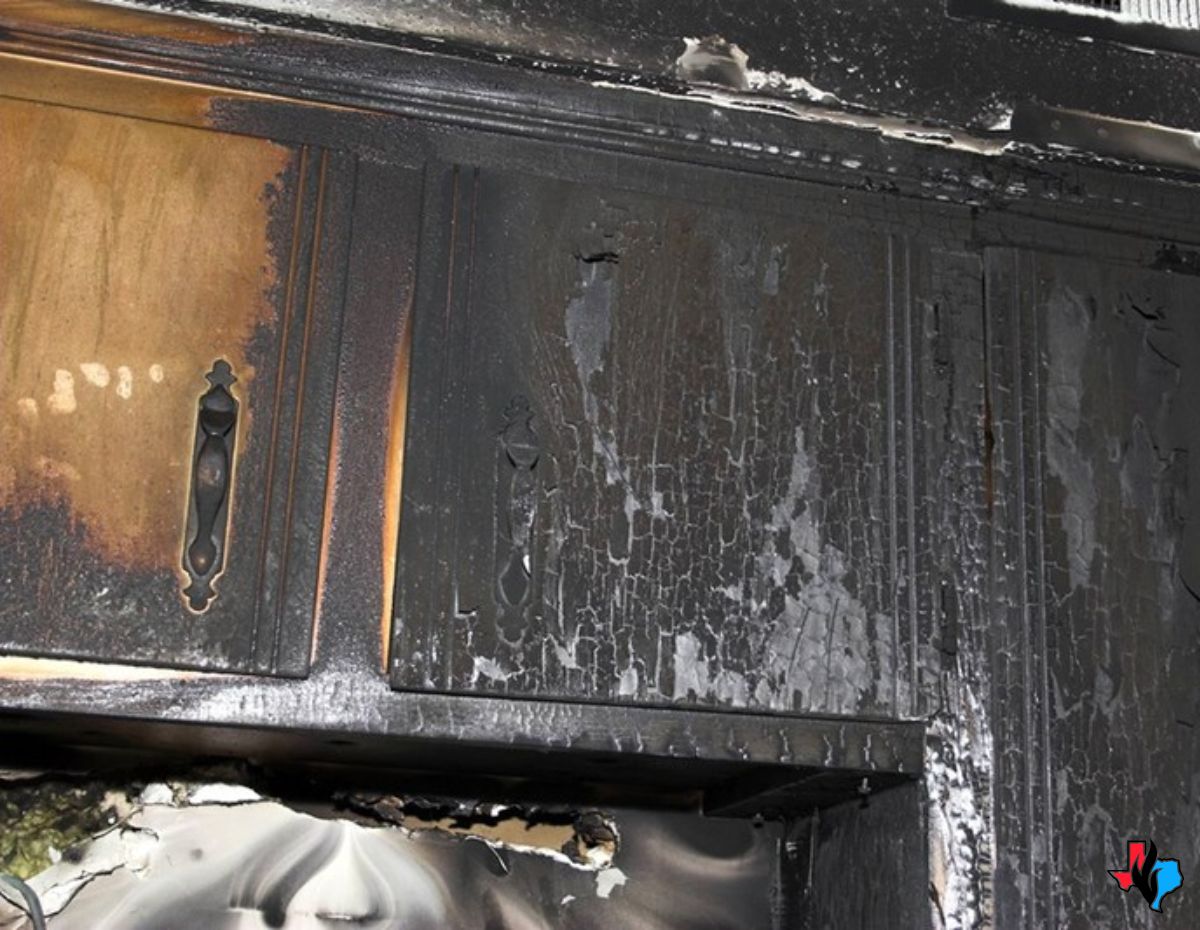
Protein smoke forms when organic materials such as meat, fat, or oil burn. It is commonly found in kitchens when cooking fatty foods. Unlike other types, protein smoke is produced through evaporation rather than combustion. However, excessive heat can lead to a grease fire, which is more difficult to extinguish than fires fueled by wood or rubber.
Although protein smoke is nearly invisible, it has a pungent odor and can gradually cause permanent discoloration on painted surfaces. This makes cleanup challenging, as damage may not be immediately noticeable.
Fuel Smoke
Fuel smoke results from burning petroleum-based substances like gasoline and oil. It produces thick, black smoke with a strong, unpleasant odor. The residue left behind is sticky and dense, making cleanup especially difficult.
Is The Smell Of Smoke After A House Fire Harmful?
Breathing in smoke is harmful because it contains tiny particles that can get deep into your lungs. This can lead to coughing, trouble breathing, and irritated airways. It can also cause burning eyes. People with heart or lung problems, and older adults, are especially at risk.
After a fire, smoke leaves behind not just soot and ash, but also harmful chemicals called VOCs (volatile organic compounds), which come from burned materials like plastic and paint.
These toxic compounds can soak into walls, furniture, and other porous surfaces. Even after cleaning, the VOCs can remain and continue to release harmful gases into the air for weeks or months. Some VOCs don’t have a smell, so the air may seem fine even when it’s not. Long-term exposure to these chemicals can cause problems with your liver, kidneys, or nervous system, and can also irritate your eyes, nose, and throat.

How We Deal with Smoke Damage After a House Fire
At Precision Restoration, we know that smoke can travel far beyond the fire’s source, leaving behind residue and odor in areas that weren’t even touched by flames. That’s why we take a thorough, step-by-step approach to removing smoke damage and restoring your home’s air quality and comfort.
Ventilation First
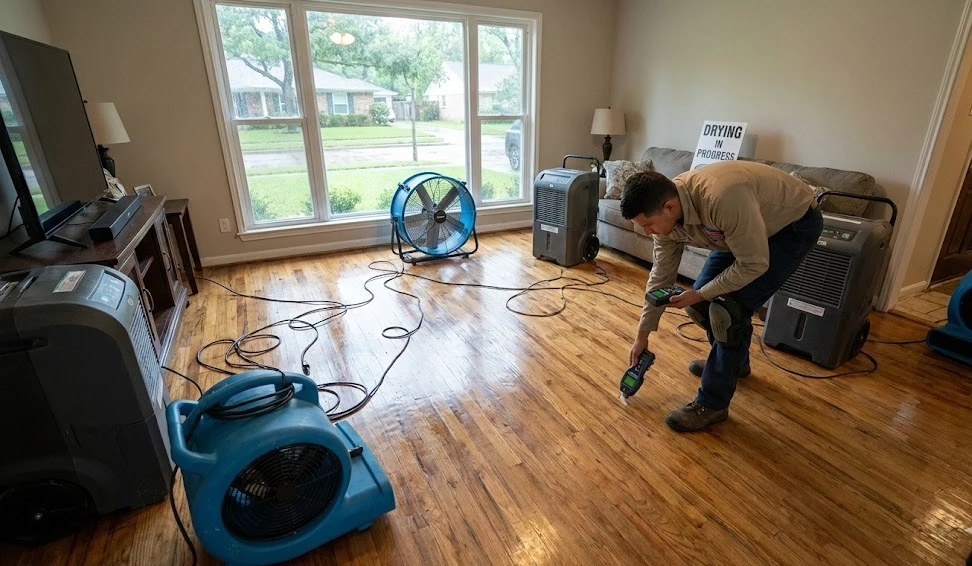
Once it’s safe, our team begins by ventilating your home. We open windows and doors to let in fresh air and use fans to push smoke odors out—always making sure to clear away loose ash first, so it doesn’t spread around.
Soot and Surface Cleaning
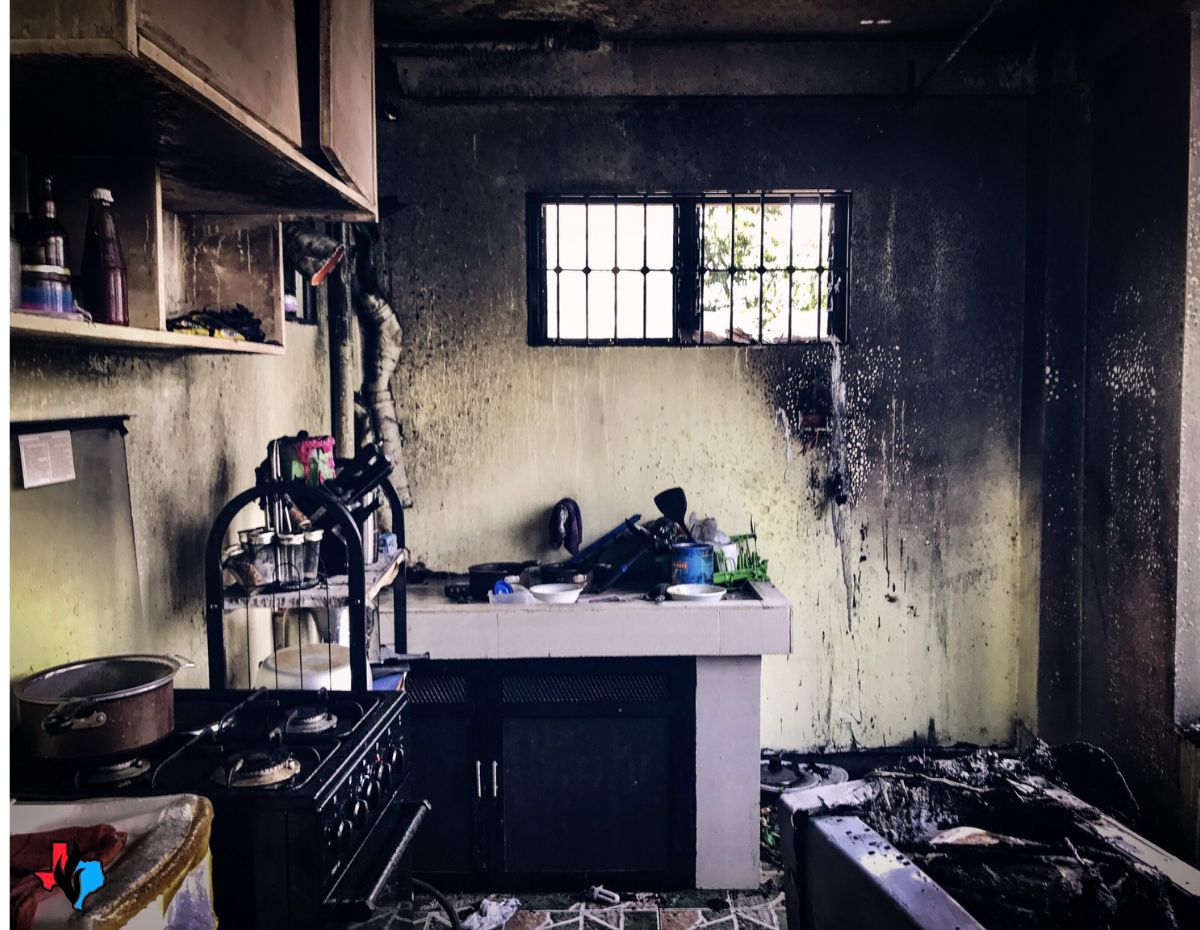
Smoke particles settle everywhere. We carefully clean walls, floors, and surfaces using a mixture of mild soap, TSP (when safe), and water. Our team wears protective gloves and uses sponges and microfiber cloths to wipe down surfaces thoroughly. For exterior areas like driveways or siding, we may use pressure washing to remove built-up soot and grime.
Fabric and Upholstery Care
Smoke clings to fabric. At Precision Restoration, we wash all affected materials; including clothes, curtains, and linens, with cold water, detergent, and odor-neutralizing agents. Upholstered furniture may require steam cleaning or smoke deodorizing, and in cases of heavy smoke damage, we recommend professional treatment using industry-grade vacuums and cleaning agents to fully remove smoke particles.
Kitchenware and Cabinet Cleanup
Even your dishes can absorb smoke residue. We make sure all plates, utensils, and cookware are washed in soapy water, thoroughly rinsed, and polished if needed. Cabinets and drawers are also wiped clean with water and detergent to prevent hidden buildup.
Smoke damage is more than just a smell, it’s a health concern. Precision Restoration’s goal is to bring your home back to a safe, clean, and comfortable space, with attention to detail in every corner.
Fire & Smoke Damage Company in Houston, TX
Smoke travels fast, it seeps into walls, furniture, clothing, and even behind surfaces you can’t see. We remove harmful residue, deodorize the space, and help eliminate hidden toxins like soot and VOCs (volatile organic compounds) that can linger long after the flames are gone.
From board-ups and odor removal, deep cleaning to smoke and fire damage restoration, we’re here to walk you through every step. We’re not just restoring your property, we’re helping you reclaim peace of mind.
FAQs
How long does it take for smoke to clear out of a house after a fire?
The time it takes for smoke to clear depends on ventilation, the severity of the fire, and the type of materials burned. With proper ventilation (open windows, fans, and air purifiers), light smoke may dissipate within a few hours to a few days. However, heavier smoke damage can linger for weeks or even months without deep cleaning and deodorization.
How toxic is smoke from a house fire?
Smoke from a house fire is highly toxic. It contains carbon monoxide, volatile organic compounds (VOCs), and other harmful chemicals from burning plastics, wood, synthetic materials, and household chemicals. Prolonged exposure can cause respiratory issues, headaches, dizziness, eye irritation, and, in severe cases, long-term organ damage.
Related Blogs

Contact Us
Thank You For Choosing Precision Restoration, we’re ready to answer your questions. Please fill out the form below to connect with a local team member or call now to get help immediately.
