 Skip to content


Table of Contents
What Happens to Insulation When It Gets Wet?
Insulation is designed to be light, fluffy, and full of tiny air pockets that trap heat or cold. These properties make insulation highly effective at keeping your home comfortable and energy-efficient. Common types include fiberglass, cellulose, spray foam, and mineral wool, all meant to provide thermal resistance and sound dampening.
When insulation gets wet, it loses its structure and effectiveness. Wet insulation becomes compacted, soggy, and heavy, and it can no longer trap air as it should. Over time, it can also grow mold and bacteria, especially in dark, damp spaces like attics. This poses health risks, including allergies, respiratory problems, and unpleasant odors. It also compromises the structural integrity of walls and ceilings and drives up your energy bill by making your HVAC system work harder.
Below are different places where there’s insulation and how water damage can affect them:

Different Places Insulation Is Located
Attics
A common scenario is a roof leak during a heavy storm. Water seeps through damaged shingles or flashing and soaks the attic insulation, wet insulation in attic becomes compacted and loses its ability to trap heat, leading to energy loss and potential mold growth.

Walls
Burst pipes inside wall cavities are a frequent cause of water damage. The moisture saturates the insulation, which can then sag or clump, reducing its effectiveness and creating an ideal environment for hidden mold.
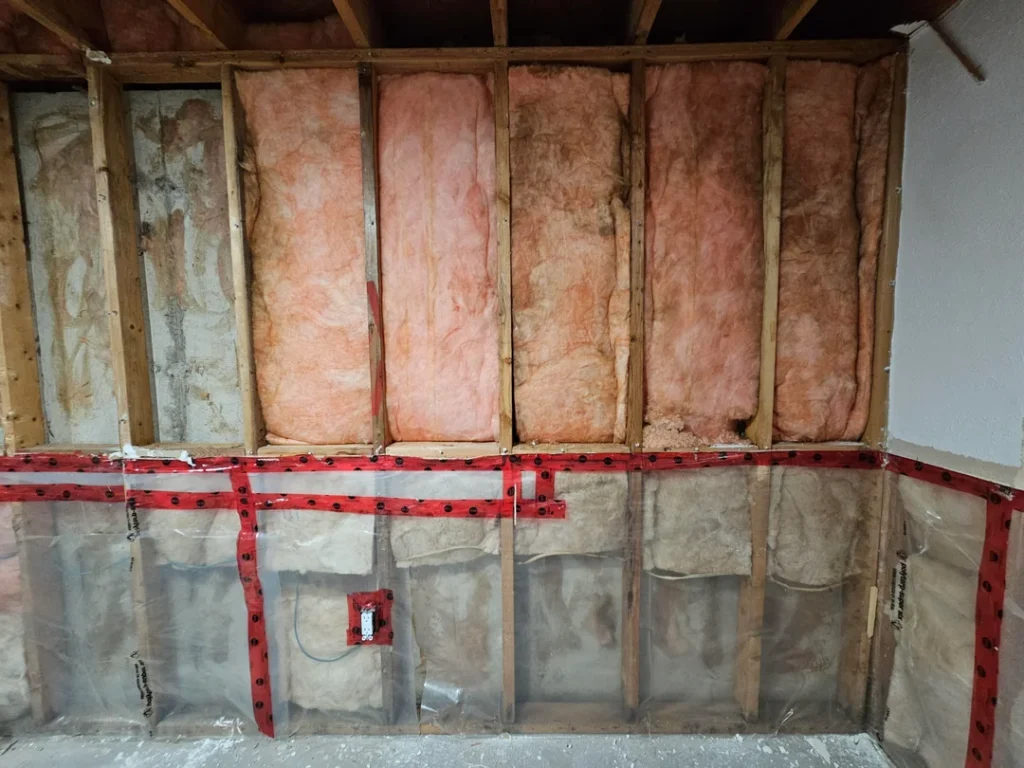
Crawl Spaces/Basements
Groundwater intrusion or poor drainage after a storm can flood crawl spaces. Insulation in these areas becomes waterlogged, encouraging mildew and causing it to fall from the subfloor above, reducing thermal performance.
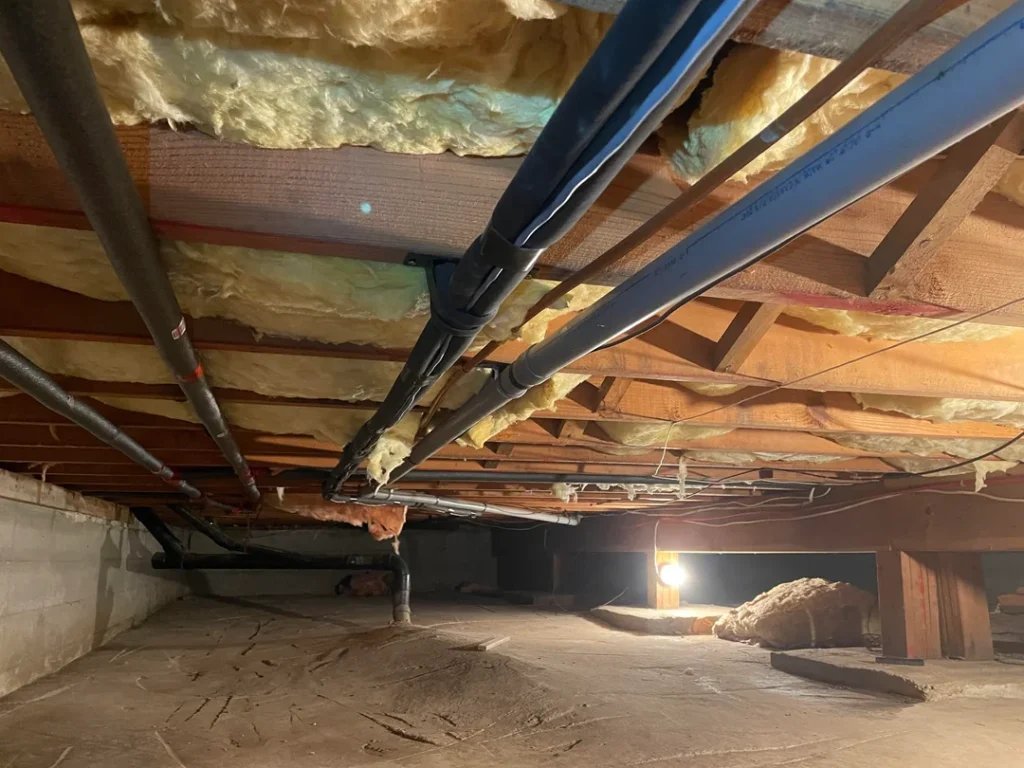
Floors over Garages
Snow or ice damming on a roof above an attached garage can melt and leak into the floor insulation. This water causes insulation to clump and settle, resulting in cold floors and higher heating costs.
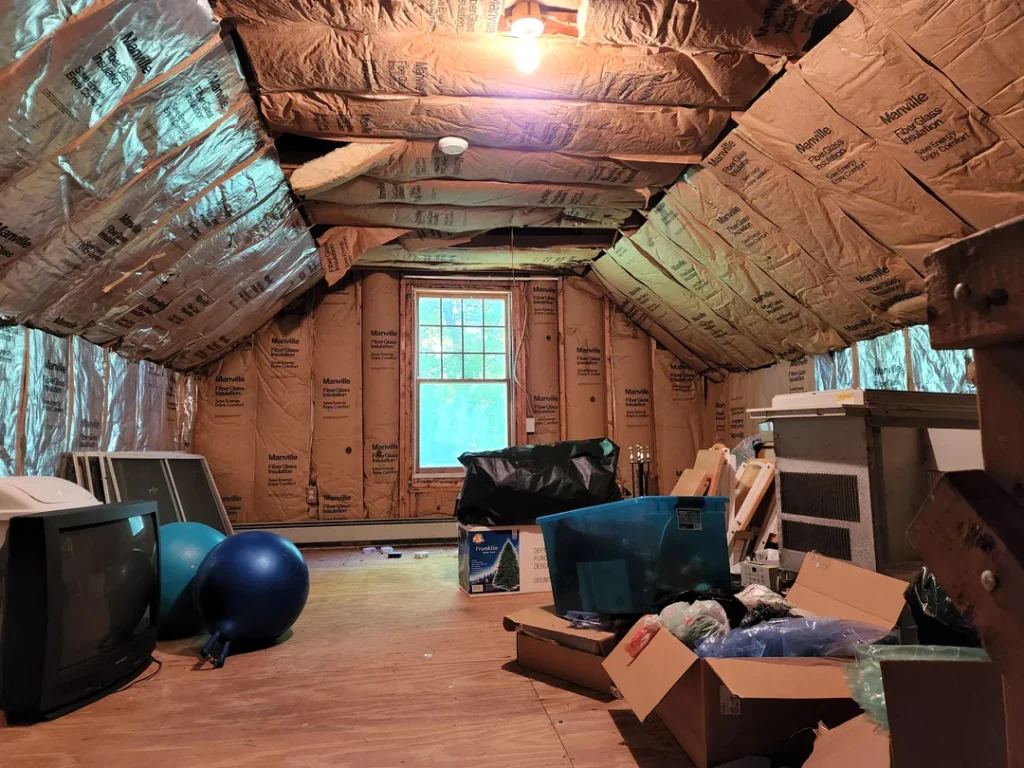
HVAC Areas
Condensation from improperly insulated or leaking HVAC ducts is a common issue. It can dampen nearby insulation, reducing efficiency and potentially spreading moisture to adjacent building materials.


How Long Does It Take Wet Insulation to Dry Out?
Wet insulation doesn’t easily dry out on its own. In fact, it can take weeks or even months, depending on the type of insulation, how much water was absorbed, ventilation in the area, and surrounding humidity levels. Many insulation types trap moisture deep within their fibers or structure, especially in enclosed spaces like attics or wall cavities where airflow is limited. Even if it seems dry to the touch on the surface, moisture often remains trapped inside, which can lead to hidden mold growth and ongoing performance issues.
How to Dry Insulation Faster:
- Increase ventilation using fans.
- Use a dehumidifier to reduce moisture in the air.
- Remove sections that are heavily saturated.
- In some cases, full replacement is faster and safer.
How Different Insulation Dries Out
Fiberglass Insulation
Can dry if not too saturated, but it loses fluffiness and should often be replaced.
Cellulose Blown Insulation
Highly absorbent and prone to mold; usually needs to be replaced.
Spray Foam Insulation
Closed-cell foam resists water and may not need replacement if only surface-wet.
Mineral Wool
Water-resistant but not waterproof; may survive light moisture with proper drying.
Rigid Foam Board
Moisture-resistant and can usually be dried and reused unless damaged.
Why Does Wet Insulation Mold?
Mold thrives in environments that are damp, dark, and stagnant. When insulation gets wet, especially in unventilated spaces like attics or wall cavities, it creates the perfect conditions for mold to grow. Organic dust or debris trapped in insulation provides the food source mold needs.
How Can That Mold & Water Damage Affect My Property?
Mold caused by wet insulation can lead to musty odors and poor indoor air quality, which is harmful to your health, especially for people with asthma, allergies, or weakened immune systems. Over time, it can silently weaken your home’s structure by degrading wood framing, corroding metal fasteners, and damaging drywall from the inside. This can lead to soft, sagging walls or ceilings and may even require major repairs if not caught early.
Additionally, when insulation becomes waterlogged, it loses its thermal resistance, forcing your heating and cooling systems to work harder. This leads to noticeable increases in utility bills and uneven indoor temperatures. If the damage goes untreated, it can affect home value, and mold-related issues often complicate or delay insurance claims, especially if there’s no documentation of professional remediation.
Homeowners may also face out-of-pocket repair costs if insurers find that proper steps weren’t taken quickly after the damage occurred., especially if mold and moisture issues are left untreated.
Dealing With Wet Insulation:
Here’s how Precision Restoration handles wet insulation and mold problems:
- Inspection – We start by identifying all areas affected by water, including those that aren’t immediately visible. This ensures we catch any hidden moisture that could cause long-term issues.
- Moisture Reading – Using advanced tools, we take detailed moisture readings inside walls and ceilings. This step helps us understand how deep the damage goes and guides our drying strategy.
- Removal – All saturated insulation is carefully removed to prevent further contamination. This helps stop mold from developing and clears the way for proper drying.
- Dry-Out – We deploy industrial-grade fans and dehumidifiers to dry out the structure. This process removes lingering moisture and prepares the area for safe restoration.
- Mold Treatment – An antimicrobial solution is applied to all affected surfaces to eliminate any remaining mold spores. This step is essential for long-term health and safety.
- Replacement – New, high-quality insulation is installed to restore thermal protection and comfort. We match the type of insulation to your home’s specific needs for better energy performance.
- Final Check – We perform a final inspection to ensure the space is fully dry, free of mold, and properly sealed. This gives homeowners peace of mind and prevents future problems.
Conclusion
Wet insulation should never be ignored. It can lead to serious health issues, high energy bills, and long-term damage to your home. Whether it’s a roof leak, burst pipe, or storm damage, insulation that gets wet usually needs to be removed and replaced. An attic or wall might look fine on the surface, but hidden moisture can cause future problems.
When it comes to asking, how to clean up insulation, or how to deal with water damage insulation? Precision Restoration offers thorough inspections, moisture control, and expert replacement to ensure your home stays safe, efficient, and comfortable.
FAQs
What does wet insulation smell like?
Wet insulation often smells musty or earthy, similar to the odor of damp clothes left in a pile too long. This scent usually means mold or mildew is beginning to grow, and it’s a clear sign the insulation needs attention.
Does insulation help with humidity?
Yes, insulation helps regulate humidity by creating a thermal barrier that reduces condensation inside your home. While it’s not a dehumidifier, properly installed insulation can help maintain balanced indoor moisture levels by preventing cold surfaces that lead to excess moisture buildup.
Related Blogs


Contact Us
Thank You For Choosing Precision Restoration, we’re ready to answer your questions. Please fill out the form below to connect with a local team member or call now to get help immediately.

