


Table of Contents
While many homeowners mistakenly believe that all forms of water damage are the same, it’s important to realize that the contamination level or source of a water damage emergency defines how dangerous it is to you and your home. A small leak can quickly become a severe health risk if the contaminated water continues to be present.
For Houston homeowners (where plumbing issues, flooding, heavy rain and storm problems, sewer backups, and toilet overflows are common), identifying the type of water present in a water damage emergency is very important to protect their homes and themselves.
This guide will assist you in identifying the differences between clean, grey, and black water damage; the different responses required for each category; and when to hire a professional for Water Damage Restoration in Houston to help you with safe and effective recovery from water damage.
The Importance of Water Categories and How They Affect Water Damage Restoration
Water classification is used to define the amount of contamination, health risks, and safety measures needed to be taken in order to remediate a water damage situation. How quickly the contaminated water has to be removed, what items can be cleaned and salvaged, and what protective equipment needs to be worn by the technicians performing water damage restoration, all are determined by the different categories of water. Failure to appropriately identify the category of water can cause:
- Health risks
- Incomplete cleanup
- Mold growth
- Deterioration of the building
- Issues with insurance claims
A professional Water Damage Restoration Company in Houston needs to use the proper classification of water to restore your home properly and safely.
Category 1 - Clean Water Damage (Water Damage):
Water coming from a sanitary source is clean water, so it does not pose an immediate health risk to humans when it first enters the home. However, immediate action is necessary because clean water will eventually degrade into grey water (Category 2) or black water (Category 3) if it is not addressed.
Examples of Clean Water Sources:
Most of the time, clean water is the result of:
- Broken water supply lines (i.e., a pipe bursting).
- Leaky faucets (a leak from the tap) and leaking toilet tanks (only the tank) will create clean water.
- Appliance supply hoses that break will create clean water.
- Rain (before mixing with any type of contaminants).
Even though water is normally clean at first, it will rapidly absorb contaminants from the floor, wallboard, and organic materials. Therefore, immediate cleanup and restoration of clean water is necessary.
Consequences of Allowing Clean Water Damage to Remain Unaddressed:
If you allow clean water to remain for more than 48 hours, you are creating a prime location for the development of mold. Within 24 to 48 hours, structural components (i.e., wood, insulation, and subflooring) of your home absorb water and moisture.
If you do not act quickly to restore your home after experiencing clean water damage, the damage will worsen, necessitating a full restoration instead of just cleanup.

Category 2 - Grey Water Damage:
Grey water is classified as moderately contaminated water, which could cause serious illness if consumed or, over a prolonged period, if in contact with skin. Grey water is water that has been used and contains chemicals and microorganisms, as well as “waste particles” (e.g., dirt).
Grey Water – Where It Comes From
- Washing machine discharge
- Dishwasher overflows
- Sink drain backups
- Bathtub/shower overflow
- Sump pump failure
Although grey water isn’t considered as dangerous as black water, grey water still poses considerable health risks. The safe cleanup and handling of grey water requires professional water damage restoration services in Houston and the use of appropriate personal protective equipment (PPE).
Why Do We Need to Handle Grey Water Professionally?
If grey water sits stagnant for an extended period, it can easily become black water. Grey water allows for the contamination of porous building materials, such as carpets, upholstery, insulation, and even drywall, which will need to be removed in most instances and replaced to stop the spread of bacterial contamination.
Category 3- Black Water
Black water is the most highly contaminated form of water. It contains pathogenic organisms, sewage, toxins, and hazardous waste. The potential to become severely ill or die from exposure to black water is very high.
Source of Black Water
The sources of black water damage include the following:
- Sewage backups
- Flood waters – storms/hurricanes
- Toilet overflows – waste
- Groundwater infiltration
- River/creek overflow
When working with black water, you must evacuate immediately and obtain emergency water damage restoration services.
Health Risks Associated With Exposure to Black Water
Black water contains viruses, bacteria, parasites, and chemicals. Microscopic organisms can cause grey water to become black water when their growth occurs.
Time, temperature, and exposure to organic materials accelerate the contamination of your water supply. Because of this rapid growth of microorganisms, providing fast service for Water Damage Restoration inHouston is essential, regardless of the initial category of your water.
How Water Damage Impacts Structural Building Materials
All categories of structural building material will have their structural integrity compromised over time due to water damage. Drywall will absorb water quickly and will lose its structural integrity. Wood will swell, warp, and ultimately decay. Insulation becomes saturated and loses its thermal insulation value.
Metal materials will corrode, electrical systems will short out, and concrete may hold moisture deep within its pores. Without appropriate water damage restoration services in Houston, damage done to a structure may potentially put the life safety of the entire facility at risk.
Mold and the Effect of Water Categories on Growth
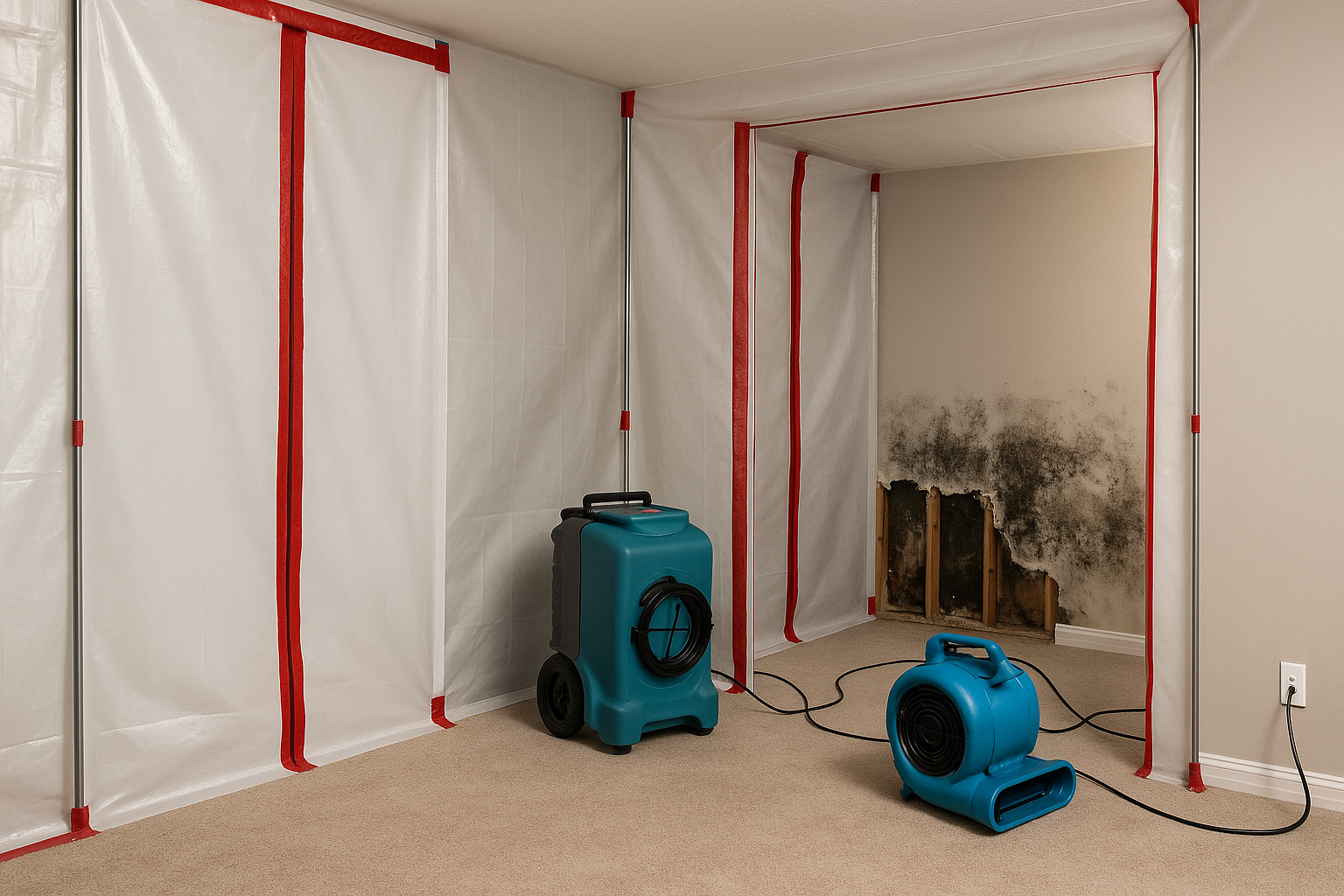
Mold does not care what type of water; it only requires moisture and organic material to grow. However, as a result of the contamination, the risk of microbial growth and health and environmental hazards increases rapidly. Within a day or two of a flood event, mold has already begun to proliferate. Contaminated grey and black water enhances the spreading of mold due to the inclusion of nutrient-rich bacteria and the materials in which microorganisms thrive.
This is why cleaning up after grey or black water floods should be done with the same emphasis on decontamination as drying.
Many individuals or businesses try to clean up the flood water damage themselves using their home vacuum cleaners, fans, or disinfectants. In very small cases of clean water damage, this may be an acceptable solution, but in the case of grey or black water, it can be extremely hazardous.
The downsides of attempting to clean grey or black water or flood damage with DIY methods are:
- Not completely removing the contaminated area
- Retaining moisture unseen to the eye
- Encouraging further mold growth
- Having health issues caused by exposure to pathogens
- Breakdown of building materials
Precision Restoration of Texas is the most reputable restoration company within the Houston area and surrounding regions, providing genuine water damage restoration, structural drying, mold remediation, sanitation, and mitigation services.
By utilizing state-of-the-art technologies, trained & certified professionals, and strict guidelines to ensure a safe and complete restoration. Contact us to receive quality service, proper care, and professionalism.
FAQs
What type of Water Damage do I have?
This will depend on where the water came from:
If it is from a clean supply line (potable or clean water), that is classified as Clean Water.
If it comes from a drain or appliance that has contaminated the water, this is classified as Grey Water.
If sewage or storm water has contaminated/touched the property, this is classified as Black Water. The safest way to determine what category of water you have is to have an inspection done by a qualified professional.
Can clean water become contaminated?
Yes. Clean water can become Grey or Black Water when left unattended, absorbs organic matter, dirt, or debris, and/or is in direct contact with contaminants. The longer it sits, the more contaminated it becomes.
Is Grey Water harmful if I touch it?
Yes. Grey Water contains bacteria and other contaminants that could potentially cause illness if absorbed through the skin and/or swallowed.
Why is Black Water considered so dangerous?
Black Water contains sewage, live pathogens, and toxic contaminants that could cause severe infections or long-term health effects.
How soon should I call an experienced Water Damage Restoration Company?
The sooner, the better. Fast Water Damage Restoration in Houston results in a reduced risk of exposure to contaminants, reduced structural damage to the property, and reduced growth of mold on the property.
Related Blogs

Contact Us
Thank You For Choosing Precision Restoration, we’re ready to answer your questions. Please fill out the form below to connect with a local team member or call now to get help immediately.