


Table of Contents
Key Takeaways:
- Quick action is crucial in water mitigation to stop further damage and reduce repair costs.
- Thorough drying and moisture detection help prevent mold growth and structural weakening.
- Professional water mitigation ensures a complete and safe recovery, reducing long-term risks.
What goes into water mitigation?
Water mitigation is the process of stopping water damage in its tracks before it gets worse. When a leak, flood, or plumbing issue happens, the goal is to act fast—removing the water, drying out the area, and preventing long-term problems like mold and structural weakening.
DIY Mitigation:
When property owners discover water damage, our first instinct is often to handle the drying process ourselves. This usually involves using household fans, opening windows, and soaking up standing water with towels or a wet vacuum. While these methods can help with surface-level drying, they often don’t address hidden moisture trapped in walls, flooring, or insulation. Without the proper tools, DIY efforts may leave moisture behind, leading to long-term damage.
Professional Mitigation:
Professional water mitigation is a structured process designed to remove water quickly, prevent further damage, and restore indoor conditions to a safe and dry state. Experts use advanced drying techniques, moisture detection tools, and specialized equipment to ensure that no residual moisture remains. By acting quickly, Our licensed mitigation experts at Precision Restoration can minimize the risk of structural deterioration, mold growth, and long-term property damage.
Tools Professional might use for mitigation:
Water mitigation equipment professionals use:
Moisture Detection & Measurement Tools:
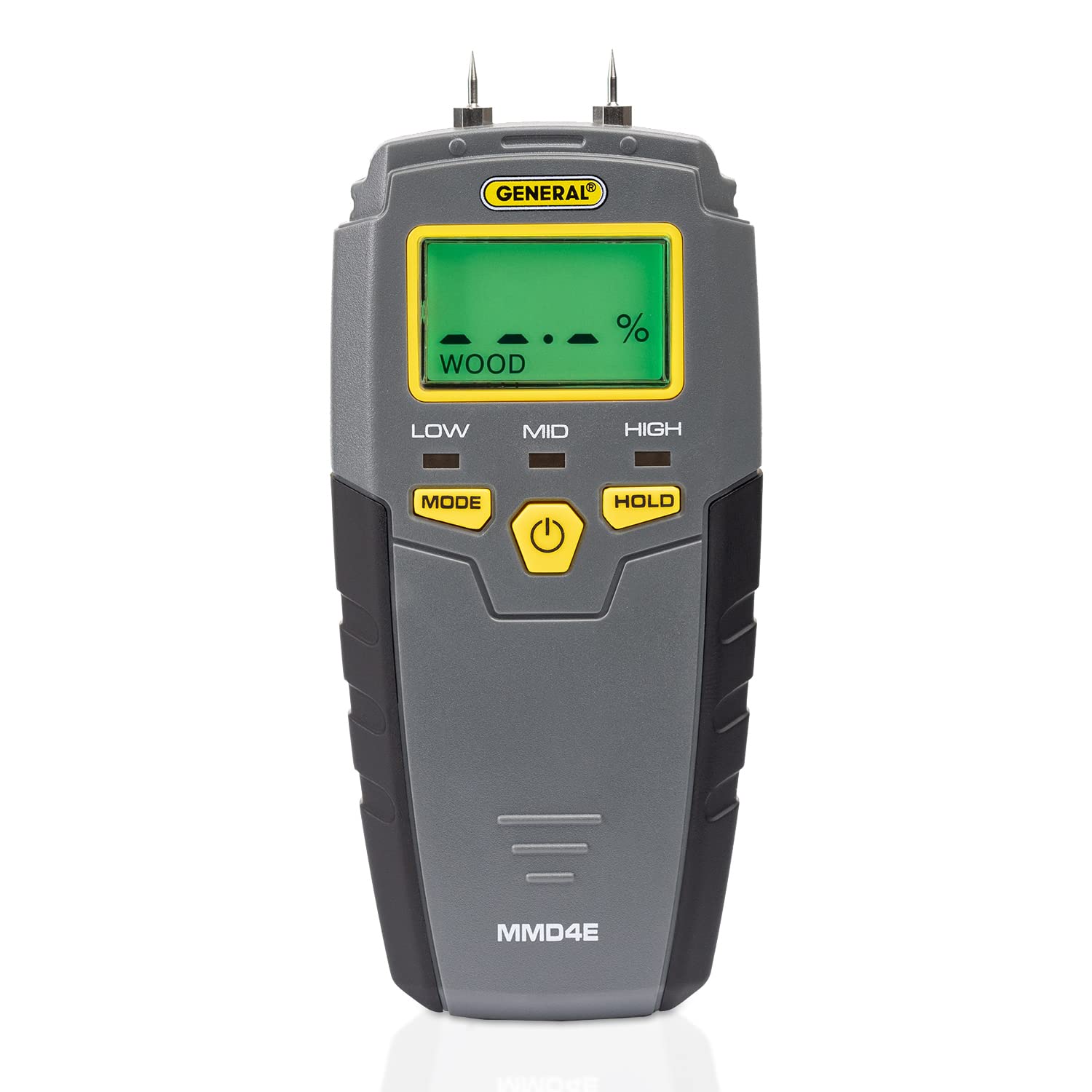
- Moisture meters (pin and pinless)
- Infrared cameras (thermal imaging)
- Hygrometers (humidity meters)
Water Extraction Equipment:
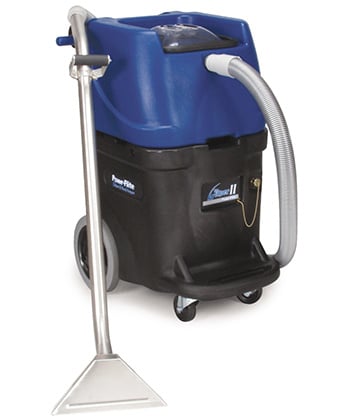
- Submersible pumps (for deep standing water)
- Truck-mounted extractors (high-power suction)
- Portable wet/dry vacuums
Drying & Dehumidification Equipment:
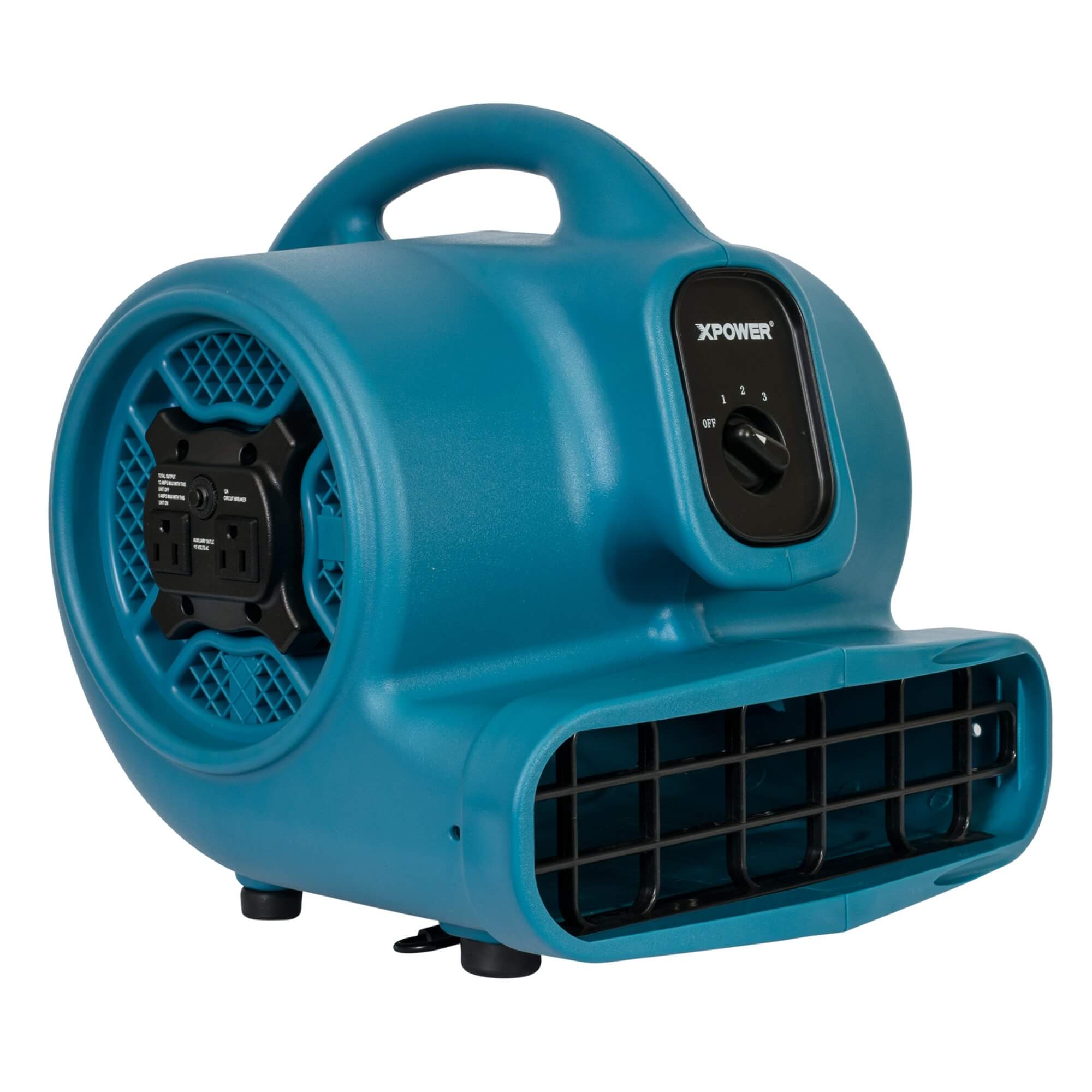
- High-velocity air movers
- Industrial-grade dehumidifiers (desiccant & refrigerant)
- Injectidry systems (for wall and floor cavity drying)
- Axial fans (for large-area drying)
Disinfection & Mold Prevention Tools:
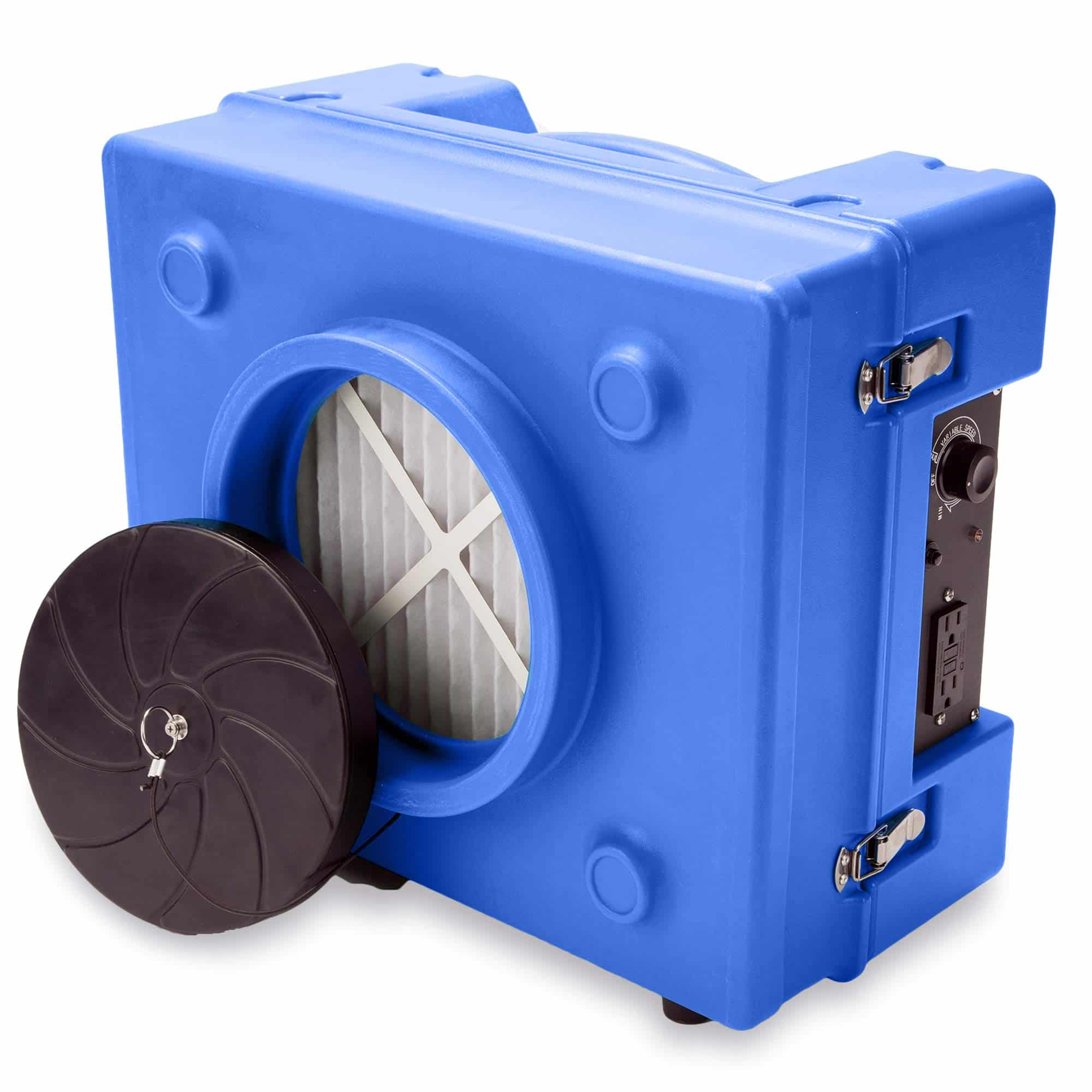
- HEPA air scrubbers (removes airborne mold spores and contaminants)
- Antimicrobial sprays & foggers
- Ozone generators (odor and bacteria removal)
- ULV (ultra-low volume) foggers
Structural Drying & Removal Tools:
- Deconstruction tools (for removing damaged drywall, insulation, flooring)
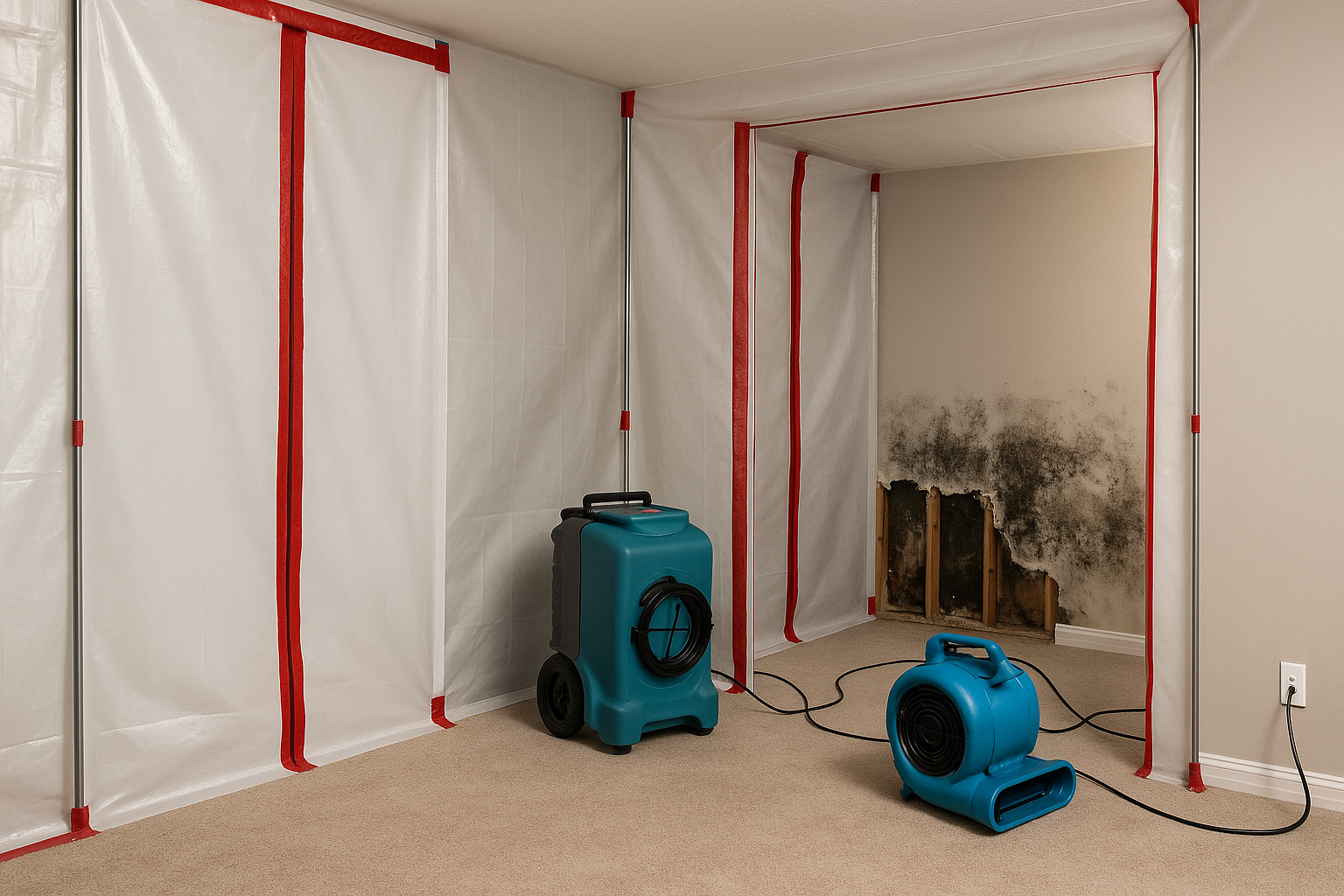
- Containment barriers (to isolate affected areas)
- Drying mats (for hardwood floor drying)
Protective & Safety Gear:
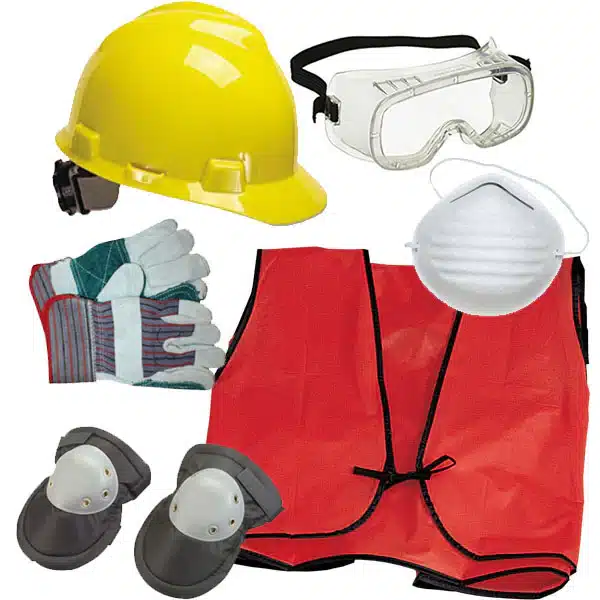
- PPE (gloves, masks, respirators, protective suits)
- Negative air machines (to prevent airborne contaminants from spreading)
Documentation & Monitoring Tools:
- Digital monitoring systems (for tracking drying progress)
- Infrared thermometers
- Inspection borescopes (for checking inside walls)
Mitigation vs. Restoration
Here are the differences between water mitigation and water restoration in Houston, TX:
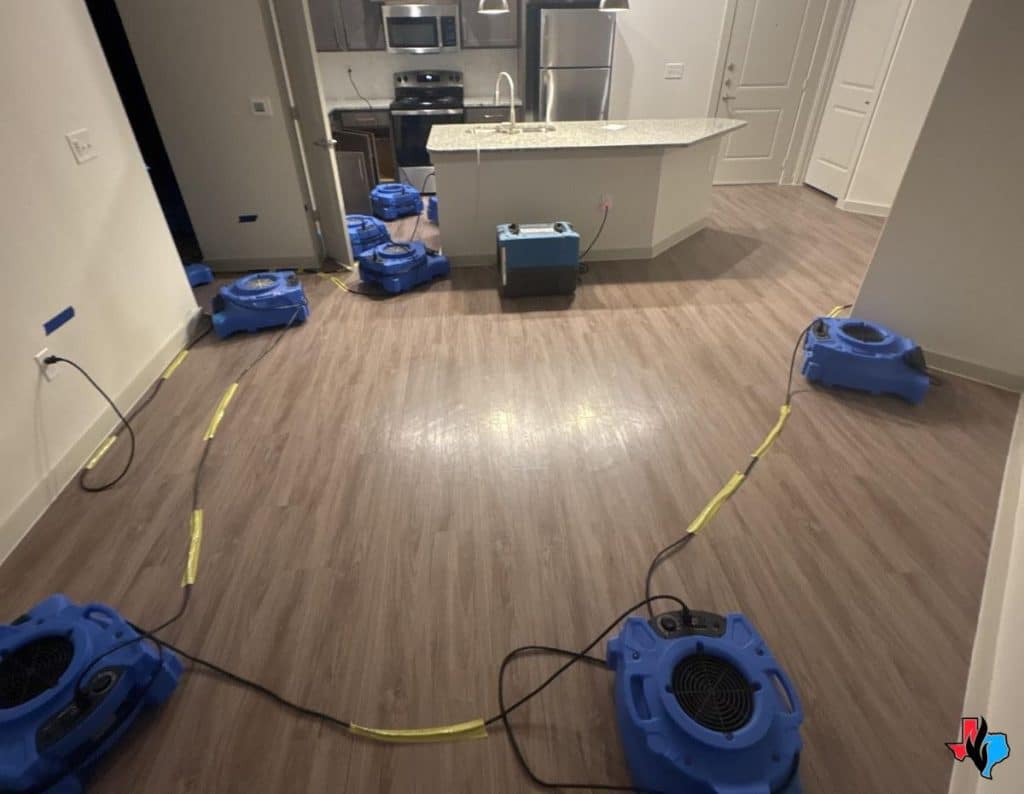
Mitigation:
- Focuses on preventing further damage immediately after water intrusion.
- Includes water extraction, drying, and moisture control to minimize risks.
- Aims to stabilize the property and stop deterioration.
- May involve removing damaged materials (like drywall or carpet) but does not replace them.
Restoration:
- Focuses on repairing and rebuilding damaged areas after mitigation.
- Includes replacing flooring, drywall, and other structural components.
- Aims to return the property to its pre-loss condition.
- Often requires additional work like painting, refinishing, and mold remediation.
The Water Mitigation Steps
1. Assessment – Professionals inspect the property, identifying affected areas and moisture levels. They also determine the category of water damage, which helps guide the mitigation process:
- Category 1 (Clean Water): Comes from a sanitary source like a broken pipe or rainwater. It poses no immediate health risks but can worsen if left untreated.
- Category 2 (Gray Water): Contains some contaminants, often from washing machines, dishwashers, or overflowing sinks. It can cause illness if ingested.
- Category 3 (Black Water): Highly contaminated water from sewage backups, floodwaters, or stagnant water. It poses serious health risks and requires specialized cleanup.
2. Water Removal – Powerful pumps and vacuums extract standing water.
3. Drying & Dehumidification – Industrial air movers and dehumidifiers dry out walls, flooring, and hidden spaces.
4. Sanitization & Cleaning – Contaminated areas are disinfected to prevent mold and bacteria growth.
5. Final Inspection – Experts ensure all moisture is removed, preventing future damage.
What's Next After Water Mitigation?
Once water mitigation is done, the next step is preventing mold. Any leftover moisture can lead to mold growth, which can cause health problems and damage your home. Our professionals use moisture meters and infrared cameras to check for hidden damp spots and make sure everything is completely dry.
After that, it’s important to assess the damage. Water can weaken walls, warp floors, and ruin insulation. A close inspection helps figure out what needs to be repaired or replaced. The final step is restoration, which means fixing or rebuilding anything that was damaged to bring the space back to normal.
Another important part of the process is cleaning and restoring personal items. Water can damage furniture, documents, and electronics. Professionals check which items can be saved and use special drying and cleaning techniques to restore them whenever possible.

3 Common Misconceptions About Mitigation & Restoration
1. “If I don’t see water, my property is dry.”
Many homeowners believe that once visible water is gone, the issue is resolved. However, water seeps into walls, flooring, and insulation, where it can remain undetected for days or even weeks. Professional mitigation ensures all hidden moisture is removed to prevent long-term damage
2. “Mold won’t grow if I dry it quickly.”
While drying the area promptly helps, mold spores can start growing within 24-48 hours if moisture lingers. Even slightly damp materials can lead to mold infestations. This is why professional drying equipment is necessary to remove moisture completely.
3. “Mitigation and restoration are the same.”
Mitigation focuses on stopping further damage, while restoration is about repairing what was lost. Many people assume that drying out an area means their property is back to normal, but full restoration involves rebuilding walls, floors, and other damaged structures.
Trusted Water Damage Mitigation in Houston, TX
For Houston homeowners and businesses, Precision Restoration is a trusted name in water mitigation and restoration. Their expert team responds quickly to water damage emergencies, using professional-grade equipment to extract water, dry affected areas, and prevent mold growth.
With years of experience handling flood damage, burst pipes, and other water-related disasters, Precision Restoration ensures that properties are thoroughly dried, sanitized, and restored to their original condition. If you need reliable water damage restoration in Houston, trust the professionals at Precision Restoration to get the job done right.
FAQs
How quickly should I act after water damage?
Immediately. Water damage can worsen quickly, leading to mold growth and structural issues within 24–48 hours. Fast action helps minimize long-term problems.
Will my insurance cover water damage mitigation?
In many cases, yes—especially if the water damage is sudden and accidental. It’s important to review your policy and contact your insurer immediately after discovering the damage
How long does water mitigation take?
It depends on the extent of the damage. Most professional mitigation processes take anywhere from 2 to 5 days, including water extraction, drying, and sanitization.
Related Blogs

Contact Us
Thank You For Choosing Precision Restoration, we’re ready to answer your questions. Please fill out the form below to connect with a local team member or call now to get help immediately.