
Signs of Storm Damage to a Roof
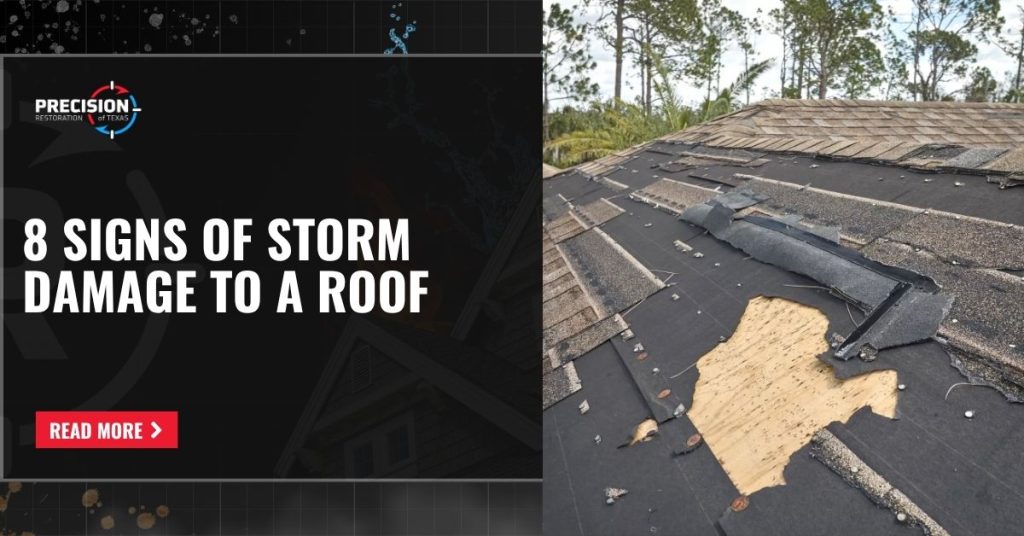
Just experienced a severe storm? One of the first things we tend to check after a weather disaster is our home, especially the roof. Depending on the storm’s strength, roof damage can vary in appearance; some are obvious, others are hidden but equally dangerous.
So, what does storm damage look like? And how can you tell if your roof is still safe to use?
Here are 8 key signs of storm damage, according to roofing experts:
1. Missing or Damaged Shingles
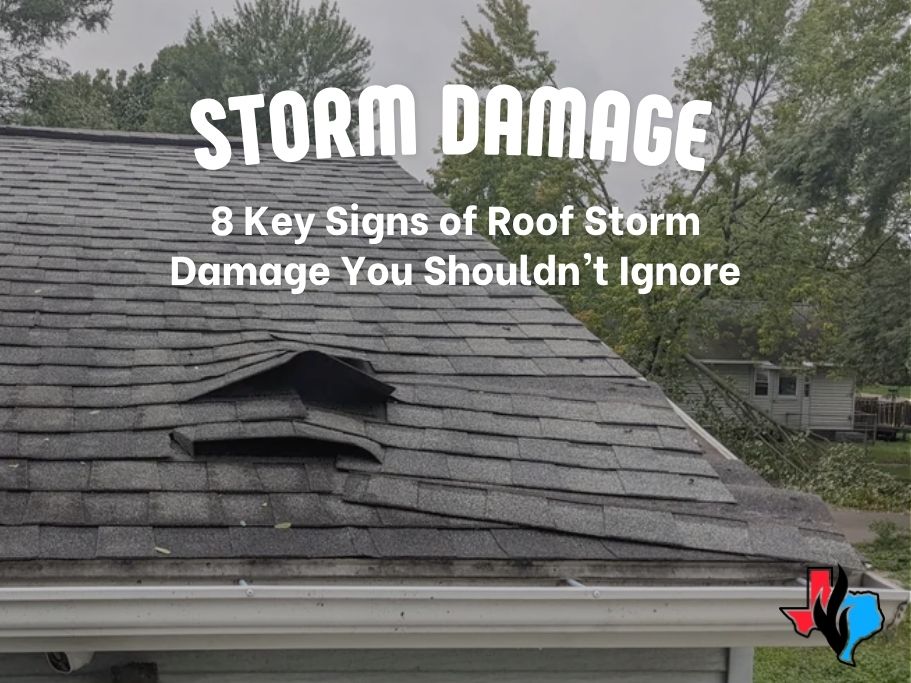
You may notice visible gaps on your roof where shingles used to be, curled or lifted edges, or cracked tiles. Sometimes, broken pieces of shingles end up in your yard or driveway. When shingles are damaged or missing, your roof becomes vulnerable to water seepage and sun exposure.

2. Granule Loss
Granules look like coarse sand and may appear in your gutters, around downspouts, or near the foundation. Shingles with granule loss often have uneven coloring or bald patches. Without granules, the shingles lose their protective layer, which can speed up deterioration.
3. Leaks and Water Stains
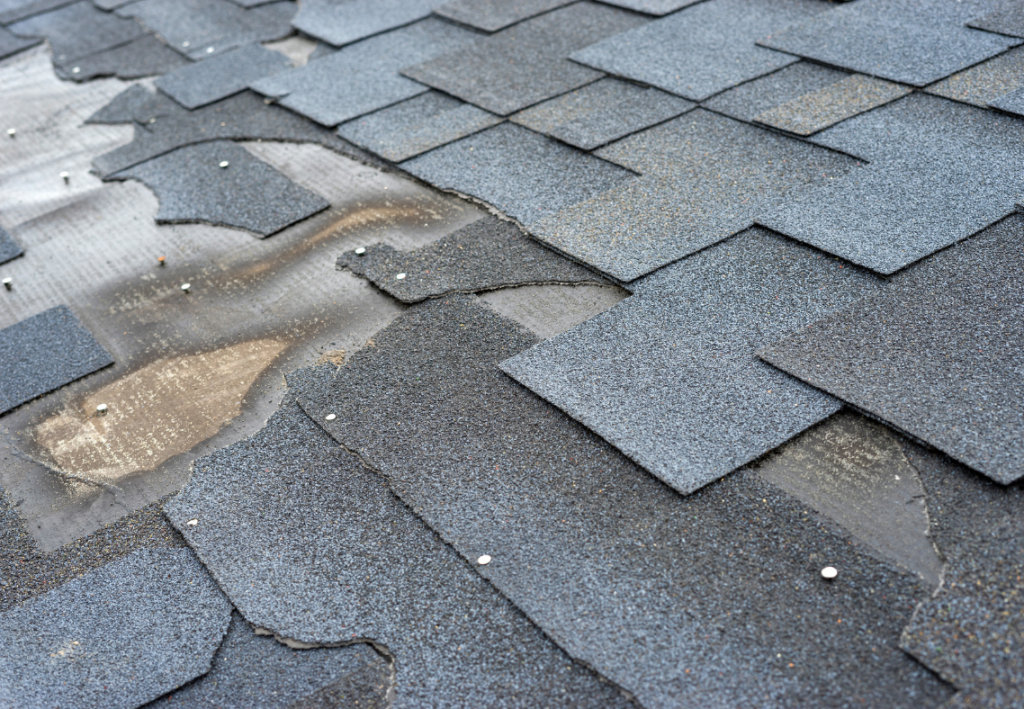
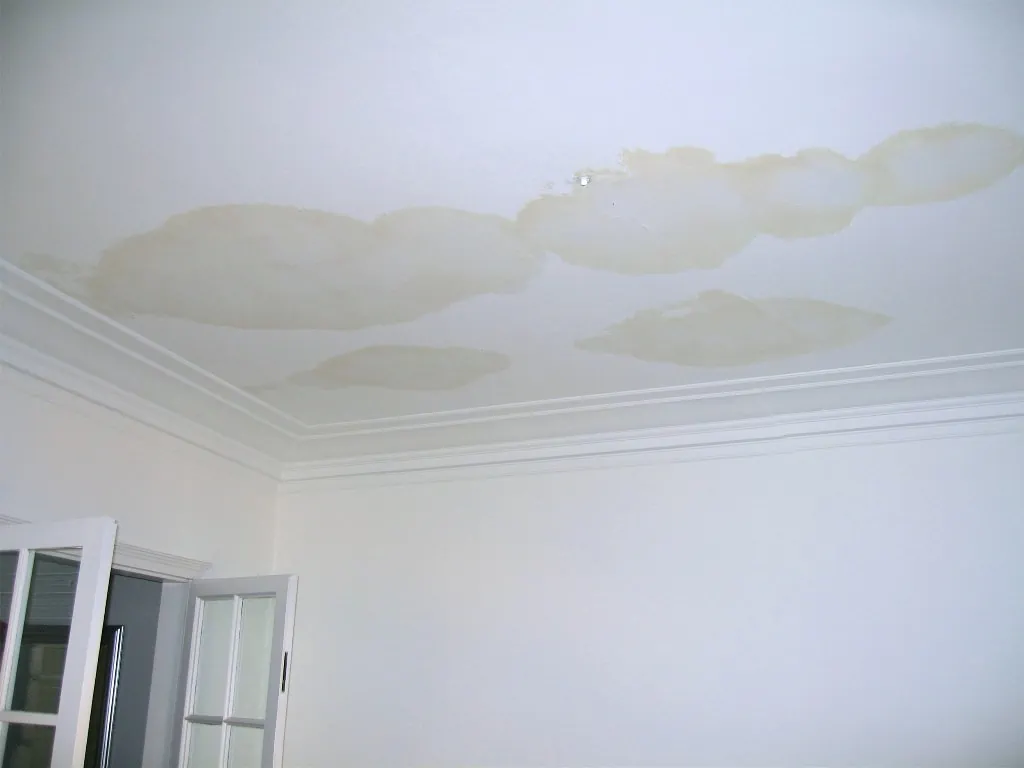
Brown stains on your ceilings or walls, peeling paint, or bubbling surfaces are signs that water is leaking through the roof. Sometimes you may also find damp areas or puddles in the attic. These indicators often point to damage that has already made its way inside the home.
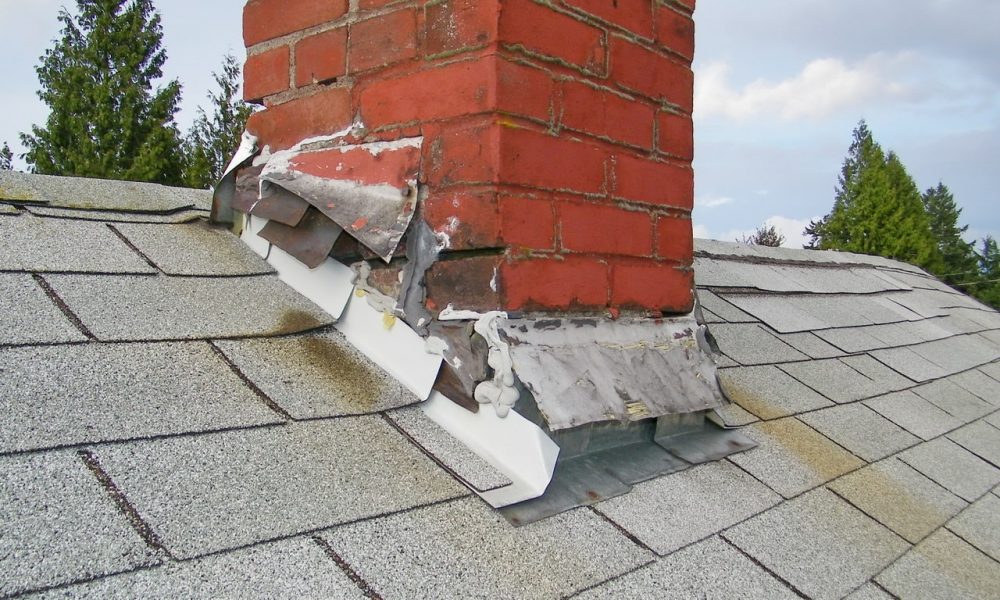
4. Damaged Flashing
Check for loose, rusted, or missing metal strips around vents, skylights, or chimneys. If flashing is compromised, water can seep through these areas easily during heavy rains. This can cause gradual interior damage if not addressed quickly.
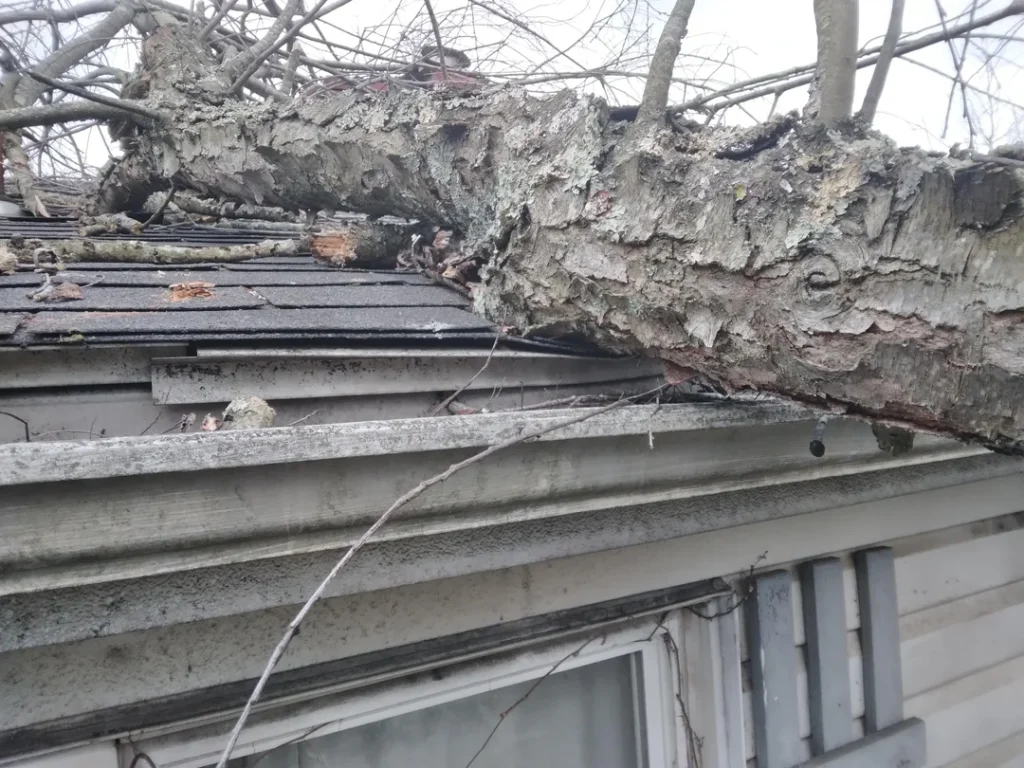
5. Tree or Other Debris Damage
Large debris, like fallen tree branches, can crush or pierce sections of your roof. Even smaller branches or flying debris can cause shingle cracks, holes, or surface dents. Sometimes the debris is blown off, but the damage remains visible through broken patterns on the shingles or small punctures.
6. Clogged or Damaged Gutters
During a storm, gutters can fill with leaves, twigs, and debris, causing water to back up and spill over. You might see sections of the gutter pulling away from the roof or notice water overflowing instead of draining properly. When gutters don’t function correctly, they can lead to roof edge rot or foundation damage.
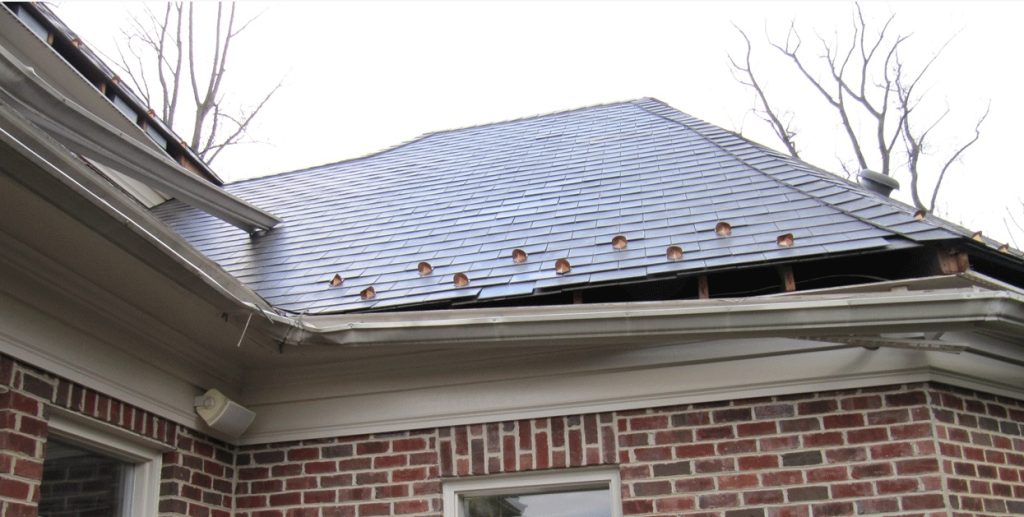
7. Sagging Roof Deck
A sagging roof may appear as uneven or drooping spots when viewed from outside or from inside the attic. This could signal trapped moisture or weakened framing. It’s a serious structural issue that should be addressed before it leads to roof collapse.

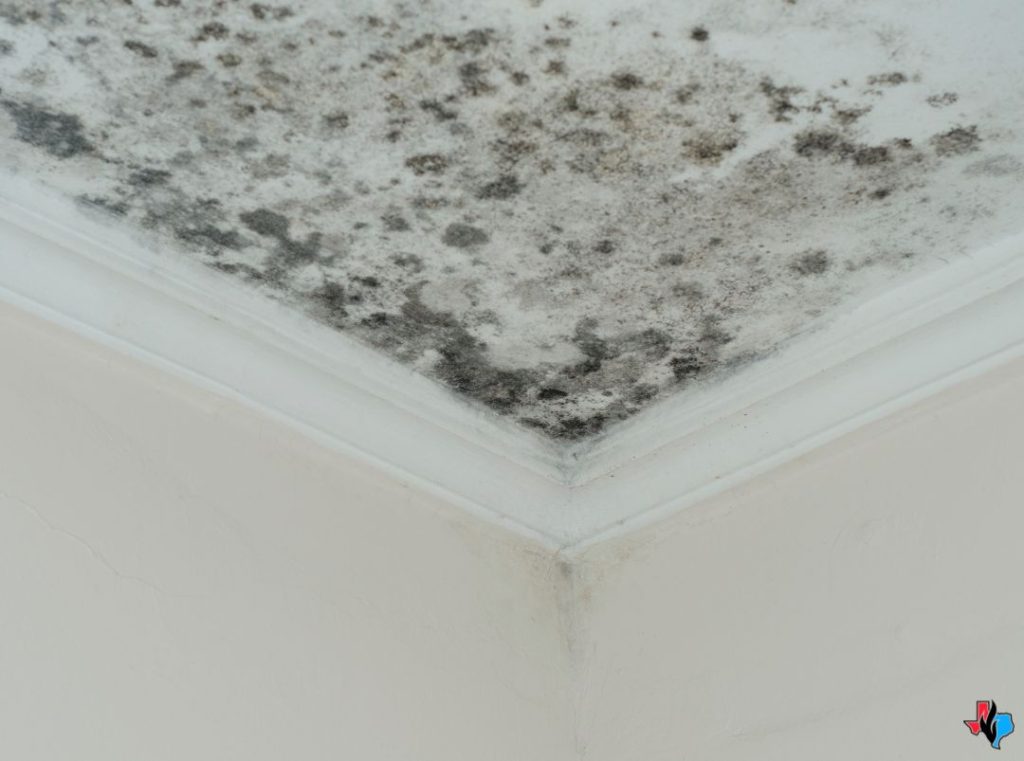
8. Interior Moisture or Mold Growth
Look for signs like damp insulation, black or green patches along attic walls, or a musty odor in rooms near the roof. Mold growth often indicates a prolonged leak and can pose health risks as well as costly remediation if ignored.

What to Do If You Have Roof Damage After a Storm
If you’ve identified one or more signs of roof damage, here’s what you should do next:
1. Document the Damage
Take clear photos or videos of the affected areas. Capture both exterior and interior damage to support insurance claims and give restoration teams a visual of the extent of the issue.
2. Prevent Further Damage
If it’s safe to do so, place a temporary tarp or covering on the damaged sections of the roof. This will help minimize further water intrusion while you wait for professional assistance.
3. Contact Your Insurance Provider
Report the damage to your insurance company as soon as possible. Ask about what your policy covers and what documents are required to file a claim. The sooner you get started, the faster your home can be restored.
4. Call the Experts – Precision Restoration
Don’t risk your safety or your home’s integrity by attempting DIY fixes. Call Precision Restoration for storm-damaged roof replacement. We offer professional roof inspections, emergency tarping, and full storm damage restoration services.
Why choose Precision Restoration?
- Certified storm damage experts
- Top-quality materials and workmanship
- Seamless insurance claim assistance
- Fast response for urgent repairs
Don’t wait until the damage gets worse.
Timely roof inspections and repairs protect your family and save you from costly structural damage in the future. After a storm, always make sure your roof is safe, and let trusted professionals like Precision Restoration handle the rest.
FAQs
How soon after a storm should I inspect my roof for damage?
It’s best to inspect your roof as soon as it’s safe to do so after the storm passes. The longer damage goes unnoticed, the higher the risk of leaks, mold growth, or structural issues. If you can’t safely access the roof yourself, contact a professional for a thorough inspection.
Can I still file an insurance claim if I don’t notice damage right away?
Yes, but it’s important to act quickly. Most insurance policies have time limits for reporting storm-related damage. Even if you notice signs days or weeks later like water stains or mold, document everything and contact your insurance provider as soon as possible.
What if my roof looks fine from the outside, could it still be damaged?
Absolutely. Not all damage is visible from the ground. Subtle issues like lifted shingles, cracked flashing, or internal moisture buildup can go unnoticed without a proper inspection. That’s why it’s recommended to have a licensed roofing expert assess your roof after major storms, even if it “looks fine.”
Related Blogs

Contact Us
Thank You For Choosing Precision Restoration, we’re ready to answer your questions. Please fill out the form below to connect with a local team member or call now to get help immediately.