
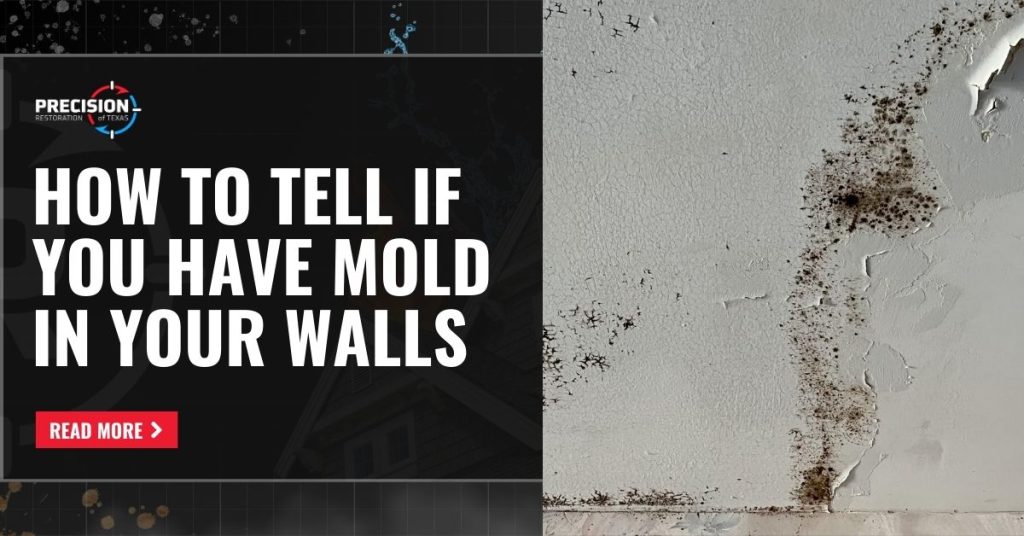
Sure Signs You Have Mold Inside Your Walls
If you’re dealing with unexplained odors, health issues, or wall damage, you may suspect mold inside your walls. However, it’s important to distinguish between possible signs of mold and clear evidence that mold is already present. From our mold specialist at Precision Restoration, we came up with seven definitive signs that there’s mold inside your walls that needs immediate attention.

1. Visible Mold Growth on Walls or Baseboards
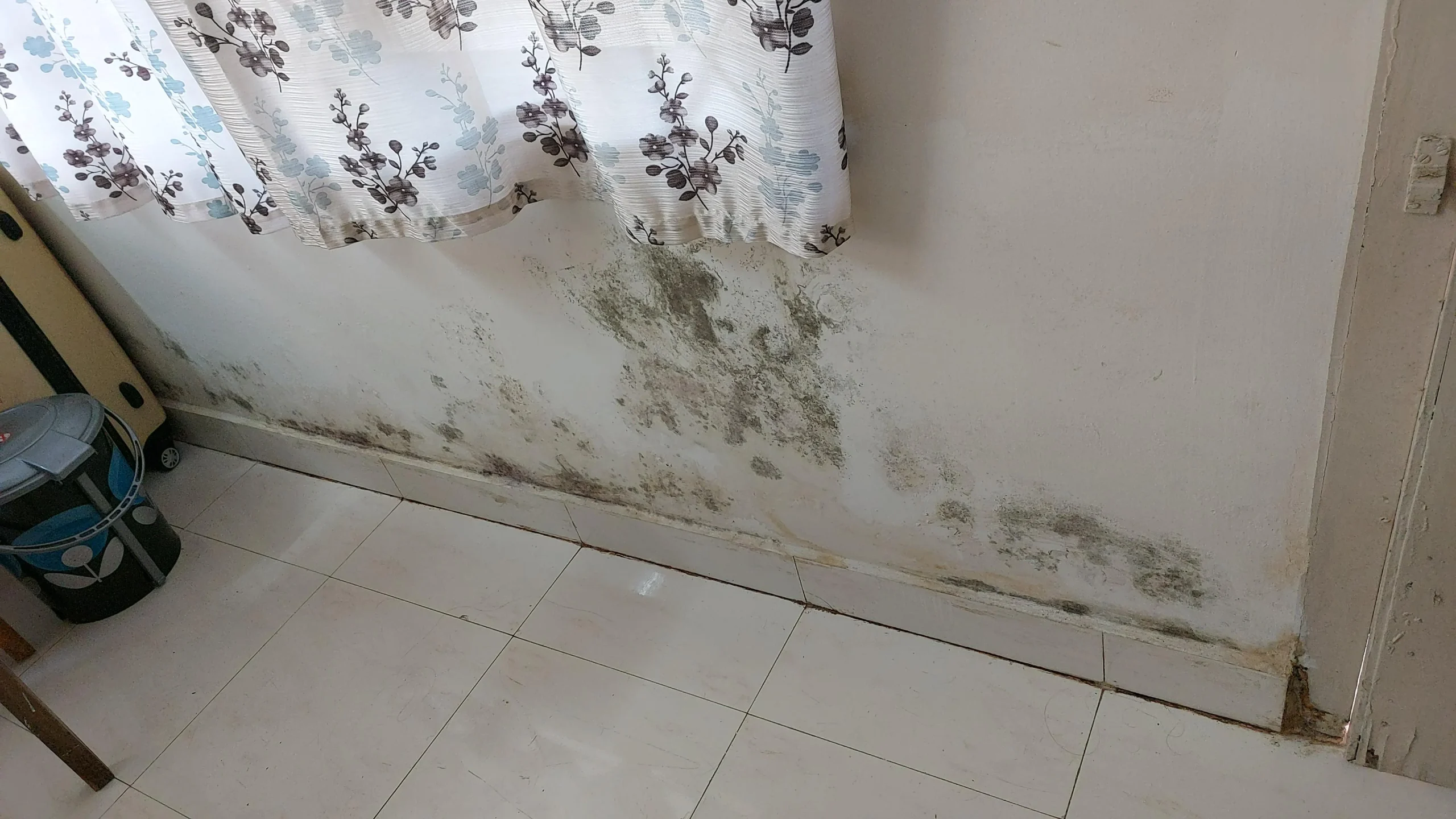
If you see mold on the surface of your walls, baseboards, or trim, there’s a high chance that more mold is growing behind the drywall. Mold often starts inside the wall cavity and works its way outward, so any visible mold means a larger hidden problem.
2. A Strong, Musty Smell That Won't Go Away
A persistent musty or earthy odor is a strong indicator of mold inside your walls, especially if cleaning and air fresheners don’t remove the smell. Mold releases microbial volatile organic compounds (MVOCs), which produce this distinctive odor. If the smell is strongest near certain walls, mold is likely growing behind them.
3. Soft, Crumbling, or Deteriorating Drywall
Mold eats away at organic materials like drywall and wood, causing them to break down over time. If parts of your walls feel soft, crumbly or deteriorate when touched, this is a clear sign of mold damage inside. In severe cases, drywall may even collapse or disintegrate when pressed.

4. Dark or Fuzzy Patches That Spread
Unlike simple stains, mold growth appears as fuzzy, clustered, or irregular patches that spread over time. If dark spots keep growing larger or multiplying even after cleaning, you’re dealing with active mold growth that has likely spread into the walls.
5. Mold Inside Wall Cavities (After Cutting a Small Section)
The most definitive way to confirm mold inside walls is to cut a small section of drywall and inspect the cavity. If you see black, green, white, or fuzzy mold growth inside, it confirms the presence of mold. Be cautious—disturbing mold releases spores, so wear protective gear or call a professional before opening up your walls.
6. Mold on the Back of Wallpaper or Baseboards
If you peel back the wallpaper or remove baseboards and find mold underneath, this means mold is actively growing inside the wall. Mold often spreads behind these surfaces before appearing on the outer walls. Any hidden mold beneath coverings is a clear confirmation of mold inside your walls.

7. Consistently Damp Walls with No Visible Water Source
If your walls feel wet, sticky, or damp even when there’s no visible leak or water source, mold may be thriving inside. Mold requires moisture to grow, and trapped humidity inside walls creates the perfect environment for it to spread. A moisture meter can detect hidden dampness, confirming that conditions are ideal for mold growth.
How to Prevent Mold from Growing in Your Walls
Preventing mold requires controlling moisture and maintaining proper ventilation. Here’s how you can reduce the risk of mold growth inside your walls from experts:
- Fix Leaks Immediately: Check for plumbing leaks, roof leaks, or foundation cracks that could allow water into your walls.
- Improve Ventilation: Use exhaust fans in bathrooms, kitchens, and laundry rooms to reduce humidity.
- Use a Dehumidifier: Keeping indoor humidity levels below 50% helps prevent mold.
- Waterproof Your Home: Seal cracks in your foundation and ensure proper drainage around your home.
- Choose Mold-Resistant Materials: Use mold-resistant drywall, paints, and insulation in areas prone to moisture.
What to Do When You See Signs of Mold?
If you notice signs of mold in your home, avoid DIY solutions that may only provide temporary relief or worsen the problem. Mold can spread quickly and release harmful spores into the air, posing health risks and damaging your property. Instead, seek professional help immediately.
At Precision Restoration, our mold specialists use advanced tools and techniques to detect hidden mold, assess the extent of contamination, and implement effective, long-term solutions. We ensure safe mold removal while preventing future growth, protecting both your home and your family’s well-being.
Don’t wait until mold spreads further—contact Precision Restoration today for expert mold removal services in Houston, TX!
Related Blogs
FAQs
Why does mold keep coming back on my walls?
Mold keeps returning to your walls because the underlying cause—usually excess moisture—has not been fully addressed. Common reasons include leaks, high humidity, poor ventilation, or inadequate cleaning methods that only remove surface mold without eliminating the root issue.
Does bleach kill mold permanently?
No, bleach only removes surface mold and does not kill the spores deep within porous materials like drywall. Instead, use proper mold remediation techniques or consult a professional for long-term solutions.

Contact Us
Thank You For Choosing Precision Restoration, we’re ready to answer your questions. Please fill out the form below to connect with a local team member or call now to get help immediately.